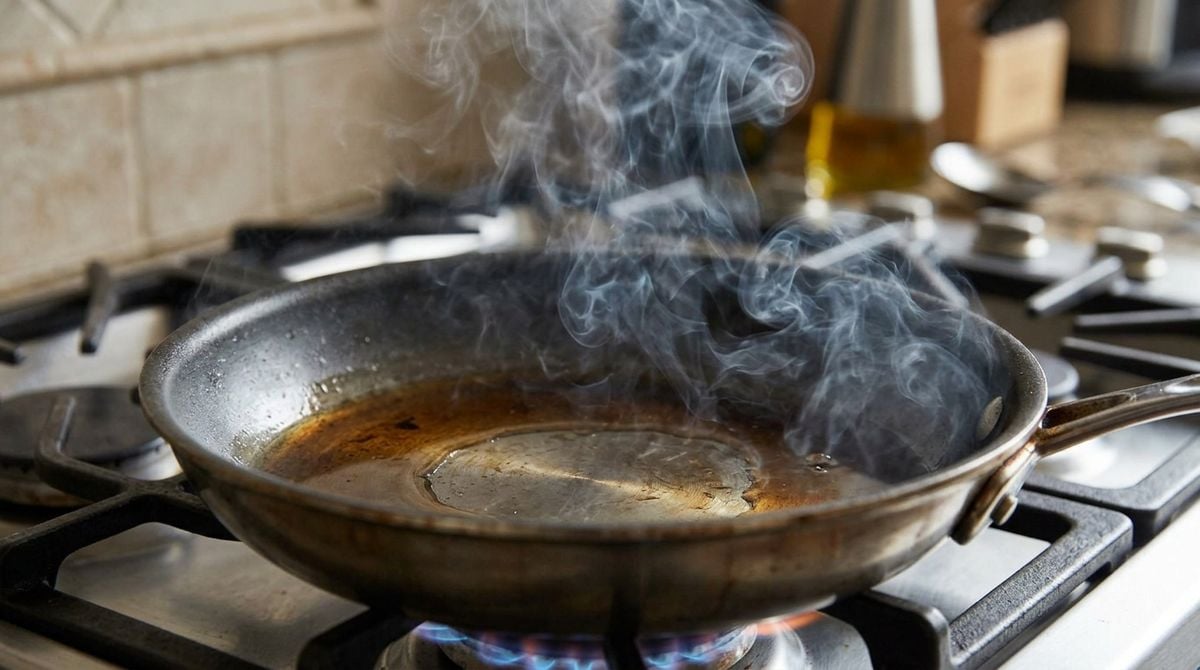
Every passionate cook knows the thrill of dropping a thick cut of meat or a batch of marinated vegetables into a screaming-hot pan. The sizzle is immediate, signaling the start of the Maillard reaction that creates deep flavor, savory crusts, and crisp textures. Yet, for many home foodies, the hesitation to sear or flash-fry indoors is real. The threat of blaring smoke detectors, an aerosolized grease film on kitchen counters, and pungent cooking smells that linger for days can discourage even adventurous home cooks.
High-heat cooking does not have to turn your living space into an uncomfortable hazard. By pairing smart temperature control and purposeful tools with clean ventilation practices, you can achieve restaurant-quality crusts while keeping your home smelling clean. Mastering the indoor sear comes down to deliberate preparation, understanding how fats react under heat, and setting up defenses against grease droplets and smoke before turning on the flame.
Understanding Heat Retention and Heavy Cookware
Successful high-heat cooking begins with materials capable of storing thermal energy. Lightweight pans often experience dramatic temperature drops when cold ingredients hit the surface, causing foods to stew in their own juices rather than sear. Heavy cast iron, seasoned carbon steel, and clad stainless steel pans offer superior heat retention. They recover quickly, locking in juices and developing caramelization without requiring you to push your burner past its safe limits.
Quality cookware also ensures even heat distribution across the bottom of the pan, reducing the chance of localized hot spots that burn grease into acrid smoke. When you want to upgrade your cookware arsenal or find tools suited for intense stovetop temperatures, exploring dedicated cooking equipment guides on The Kitchen Store Online.com can help you choose pans that withstand hard everyday use. Durable spatulas, heavy tongs, and sturdy pans provide the confidence you need to manage intense heat smoothly.
Selecting the Right Cooking Fats and Oils
The primary source of kitchen smoke is not the food itself, but burning oil. Every cooking fat has a specific threshold where its chemical structure breaks down and produces smoke, bitter flavors, and irritating airborne compounds. Delicate fats such as unrefined extra virgin olive oil, cold-pressed seed oils, and whole butter break down quickly under intense heat because of residual water, milk solids, or plant particles.
For searing, blackened seasonings, or quick stir-fries, reach for fats with elevated smoke thresholds. Refined avocado oil, clarified butter, ghee, rice bran oil, and high-heat safflower oil can endure high temperatures without scorching. If you crave the rich, nutty flavor of traditional butter on a seared steak or chop, introduce it near the very end of the cooking process. Basting with butter off the direct flame gives you deep flavor without filling your room with bitter clouds.
Mastering Prep Work and Moisture Control
Surface moisture is the enemy of a clean sear. When wet meat or damp vegetables touch a hot pan, the moisture instantly turns into water vapor. This steam expands violently, popping through the hot fat and splattering micro-droplets of oil across your stovetop, backsplash, and floor. Furthermore, energy that should go toward browning gets wasted evaporating water, forcing you to cook longer and generate more smoke.
Take the time to dry your ingredients thoroughly before they meet the pan. Pat proteins with paper towels until the exterior feels completely matte, or let uncovered cuts sit on a wire rack inside your refrigerator to dehydrate the surface. Lightly oil the food itself rather than pouring large pools of loose oil into the pan. This targeted application ensures direct contact, reduces overall smoking, and keeps loose oil from vaporizing uncontrollably.
Improving Kitchen Ventilation and Air Quality
Even with meticulous cooking technique, high-heat cooking creates aerosolized grease and fine combustion particles. Relying solely on a noisy exhaust fan after smoke appears is usually too late. Start your range hood several minutes before you begin heating your pan. This establishes an active airflow current that draws rising steam, oil droplets, and aromatic compounds directly into the filter before they drift into surrounding living areas.
Natural airflow and dedicated filtration make a substantial difference in home comfort, especially in open-concept floor plans where kitchen aromas easily drift into bedrooms and living spaces. Opening opposite windows creates a helpful cross-breeze that prevents vapor buildup. For helpful guidance on maintaining healthy indoor spaces and finding practical home care solutions, checking out the resources at air-safecleaner.com provides sensible advice for improving overall indoor air comfort. Combining exhaust fans with active air filtration keeps your dining environment fresh long after dinner is served.


Organizing Your Station and Streamlining Cleanup
Preparation and kitchen layout go hand in hand when dealing with intense heat. When you are searing at high temperatures, you cannot leave the stove to hunt for a resting board, tongs, or seasonings. Clear the surrounding counter space so that grease does not settle on appliances, fruit bowls, or utensil jars. A fine-mesh splatter screen placed over the skillet traps popping grease while still letting steam escape cleanly, preventing oil buildup on your backsplashes.
Workflow ergonomics around the cooking zone make high-heat tasks safer and far less chaotic. If you are currently planning or updating your culinary workspace, our detailed guide on designing a practical dream kitchen walks through workstation ergonomics and prep surfaces that stand up to rigorous cooking. Having a heat-resistant landing zone right next to the range allows you to transfer hot pans instantly without panicking.
Quick Habits for Cleaner Indoor Searing
Establishing a consistent routine turns high-heat cooking from a stressful gamble into a predictable, rewarding skill. Keep these fundamental habits in mind each time you turn up the heat:
- Dry every ingredient thoroughly with paper towels before it touches the skillet.
- Turn on range hoods and ventilation before turning on the heat.
- Choose refined oils or clarified fats designed for high temperatures.
- Oil the ingredients directly rather than pouring excess oil into the pan.
- Use a fine-mesh splatter guard to trap stray droplets during active searing.
Cooking with intense heat is one of the most satisfying techniques in the home kitchen, unlocking rich crusts, savory pan sauces, and tender interiors. You do not need a commercial kitchen or outdoor grill to enjoy fantastic results. With the right cookware, thoughtful temperature management, and proactive airflow control, you can sear and saute boldly whenever inspiration strikes, leaving your kitchen clean, comfortable, and inviting for everyone gathered around the table.