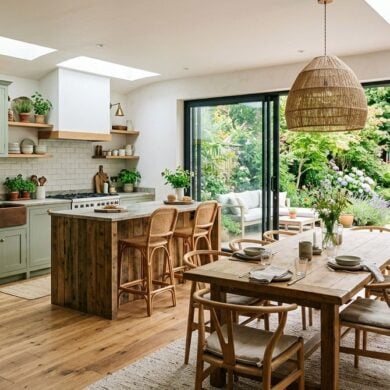
Finding a rental property that matches a passion for cooking can feel daunting. Most apartment listings emphasize modern cosmetic finishes and shiny appliances, but visual appeal does not always equal practical utility. When you cook fresh meals regularly, ferment vegetables, or host dinner guests, you need a kitchen that operates as an efficient workshop rather than a decorative backdrop.
Standard apartment searches focus on overall square footage, bedroom count, and commute times. Dedicated cooks must examine practical details like counter durability, ventilation performance, electrical circuits, and natural movement between stations. Focusing on these functional elements ensures you choose a rental home that supports your culinary interests.
Evaluating the Kitchen Work Triangle and Layout
The foundation of any functional kitchen is its layout. The classic work triangle connects the refrigerator, the sink, and the primary cooking surface. In an apartment, an unobstructed pathway between these three areas is essential. Galley kitchens, L-shaped arrangements, and single-wall formats each have merits, but flow breaks down whenever an open oven or refrigerator door blocks access to another prep station.
While some food enthusiasts focus on finding a home with land for cooking, thriving in an apartment kitchen requires an eye for functional geometry and ergonomic design. During your walk-through, measure the distance between major stations. If the refrigerator opens directly into your main chopping area, or if the sink sits right against the stove without counter space between them, everyday cooking will feel cramped.
Unbroken counter space is equally essential. Look for continuous stretches of work surface rather than small segments broken up by corners or awkward alcoves. You need at least one wide expanse of counter near the stove and sink where you can set down a cutting board, arrange prep bowls, and roll out dough without feeling confined.
Examining Ventilation, Power, and Heat Sources
Ventilation is often overlooked in residential apartment kitchens. Many units rely on recirculating range hoods that pull air through small filters and vent it right back into the living space. If you frequently sear proteins, cook with pungent spices, or simmer stocks, an exterior exhaust hood that vents steam, grease, and smoke outdoors provides far superior indoor air quality.
Heat source reliability matters just as much as cooktop type. Gas ranges offer immediate flame control, making them popular with experienced home cooks. Induction and standard electric ranges provide smooth surfaces that can double as extra prep space when cool. Inspect the oven interior as well, ensuring it accommodates your favorite roasting pans, baking sheets, and heavy enameled cookware.
Electrical capacity is another critical factor. High-draw appliances such as blenders, stand mixers, and food processors require grounded, easily accessible outlets. Observe outlet placement and confirm that circuits are distributed properly. Running multiple appliances simultaneously should never overload a circuit or interrupt your cooking routine.
Assessing Storage Solutions and Work Surfaces
Dedicated cooks possess substantial equipment, from cast iron skillets and sharpening stones to bulk grains and specialty spices. When researching apartment communities and comparing floor plans, platforms such as casonestateapartments.com can help you evaluate residential layouts, property amenities, and kitchen specifications across various multifamily developments.
Examine cabinet construction during your visit. Deep lower cabinets and pull-out drawers offer practical storage for heavy pots and pans. If a prospective apartment lacks a dedicated pantry closet, identify unused wall space or corners where you could place a freestanding baker’s rack, tall shelving unit, or mobile prep cart.
Check these practical features during your apartment tour:
- Deep sinks that comfortably fit large skillets and baking pans.
- Sturdy shelving capable of holding heavy cookware and bulk ingredients.
- Vertical clearance under upper cabinets for tall countertop appliances.
- Focused task lighting positioned directly over the main prep counter.
Countertop durability dictates everyday care. Solid stone, engineered quartz, and butcher block withstand daily use well, while fragile laminate seams can suffer water damage over time. Check existing surfaces for chips, burns, or deep scratches that could harbor moisture or food residue.
Navigating Rental Agreements and Customization Policies
Renting means respecting guidelines regarding property modifications. Serious cooks often want to mount magnetic knife strips, install pot racks, or upgrade dim lighting fixtures. Understanding allowable alterations in advance prevents misunderstandings and protects your security deposit.

Review the lease carefully for clauses on wall anchors, fixture replacements, and appliance upgrades. Consulting educational resources like Realestateguidance.org provides useful perspectives on standard residential lease terms, tenant betterment considerations, and effective ways to discuss planned improvements with property managers.
Property managers often approve functional, high-quality upgrades when approached with a clear proposal. Swapping an ordinary kitchen faucet for a commercial-style sprayer or adding removable drawer organizers improves daily efficiency. Keep original hardware safely stored so you can restore the kitchen to its initial condition when your lease ends.
Balancing Neighborhood Sourcing and Community Living
A rewarding culinary life depends on what lies outside your apartment as well. Consider how the surrounding neighborhood facilitates ingredient sourcing. Living within walking distance or a short drive of independent butcher shops, farmers markets, bakeries, and international grocers makes procuring fresh, seasonal ingredients simple and enjoyable.
Building environment also influences your daily routine. Preparing aromatic dishes, searing meats, or baking breads creates aromas that disperse through hallways. Choosing a building with well-maintained common areas, solid entry doors, and good air circulation helps contain cooking scents within your home, maintaining positive relations with neighbors.
Evaluate utility performance by testing water pressure and water temperature at the sink. Washing large pots and delicate glassware requires steady hot water. Furthermore, check access to trash and recycling facilities, as home cooking produces regular vegetable scraps and packaging that require convenient disposal.
Setting Up Your Kitchen for Daily Cooking Success
After signing your lease and moving in, organize your kitchen systematically. Position your primary cutting board, chef knife, salt cellar, and cooking oil right next to the stove. Store daily cookware within arm’s reach, and keep heavy equipment on lower shelves to simplify lifting and protect your back.
Finding an apartment tailored to serious cooking requires thoughtful inspection and clear priorities. When you focus on layout efficiency, reliable ventilation, durable surfaces, and clear rental terms, you establish a functional culinary environment where your passion for cooking can thrive every day.