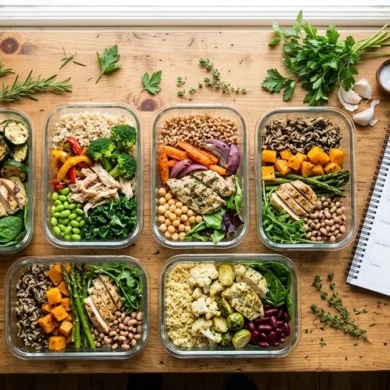
Sharing a deep love for food does not always require opening a traditional brick-and-mortar venue or standing behind a commercial restaurant pass. For many enthusiastic cooks, guiding other home foodies through delicious recipes from the comfort of a home kitchen provides a flexible, personal, and deeply rewarding creative outlet. Live online culinary sessions allow you to connect with passionate home cooks across the country while demonstrating techniques and sharing recipes you cherish.
Teaching people how to cook through a camera screen requires more than just culinary skill. It blends thoughtful lesson preparation, clear verbal communication, structured kitchen organization, and reliable digital systems. With the right foundation, you can transform your everyday kitchen into an inviting virtual culinary classroom where participants feel supported, entertained, and inspired from the moment they tie their aprons.
Designing a Cook-Along Menu for Home Students
The foundation of any successful online cooking class is a menu tailored specifically for remote learning. Unlike an in-person workshop where you can step in to adjust a burner or assist with knife work, virtual students rely entirely on your vocal instructions and visual demonstrations. Recipes should emphasize core culinary techniques while avoiding overly complicated multi-step procedures that can cause participants to fall behind.
Choose dishes that feature accessible ingredients available at standard supermarkets. If a recipe calls for specialized regional spices or uncommon produce, provide practical substitutes well in advance. Send out a complete prep sheet several days before the event so attendees can measure pantry staples, chop lengthy ingredients ahead of time, and organize their work stations. This keeps the class focused on foundational cooking techniques rather than basic vegetable peeling.
Pacing and timing are equally crucial when selecting recipes. Aim for dishes that come together comfortably within an hour or an hour and a half, including time for questions, plating, and conversation. Fresh pasta making, artisan flatbreads, vibrant curries, and regional street foods make wonderful topics because they offer clear visual milestones that students can match against your demo on screen.
Setting Up an Efficient Kitchen Studio Space
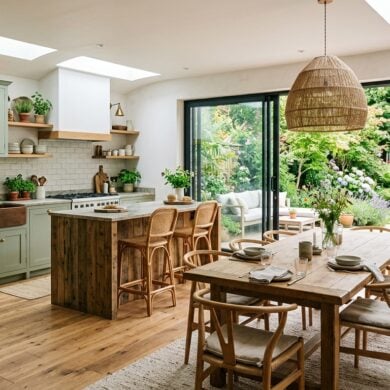
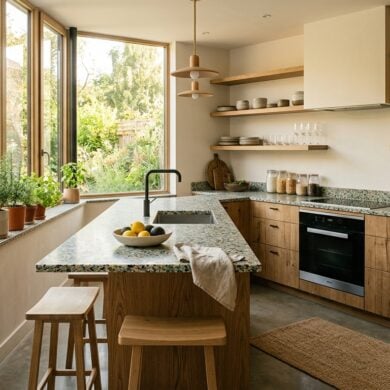
Turning a residential kitchen into an effective broadcast space requires deliberate arrangement of light, sound, and workspace flow. Clear your counter surfaces of unnecessary small appliances, decorative items, and background clutter to keep the visual focus squarely on your cutting board and stove. Good task lighting placed directly in front of your prep station prevents harsh shadows and lets students see exact sauce reductions and sear colors.
Audio clarity is just as vital as crisp visuals. Kitchen environments are naturally noisy spaces filled with bubbling pans, whirring exhaust hoods, and clattering utensils. Using a simple wireless lapel microphone ensures your voice remains clear and audible even when you step away from the camera to tend to the oven. Establishing dedicated physical zones for culinary prep, dry storage, and clean-up helps you maintain calm and professionalism throughout the lesson.
Structuring a home environment so that daily domestic routines do not disrupt your scheduled sessions requires planning and firm household boundaries. Exploring practical advice through work-at-home-net-guides.com can help you design efficient domestic workspaces, manage family schedules, and build sustainable remote working routines that keep your culinary teaching running smoothly without taking over your living quarters.
Before turning on your camera, prepare your kitchen space with a simple pre-flight checklist:
- Wipe down countertops and arrange all pre-measured ingredients in small glass bowls.
- Test your primary camera angle to ensure clear visibility of your hands and cutting board.
- Verify that your microphone battery is charged and audio levels are balanced.
- Keep clean kitchen towels and a small bucket of warm water nearby for quick counter resets.
Managing Technology and Student Bookings
Managing the operational side of online workshops requires dependable tools that handle class registrations, automatic calendar invites, and payment processing without manual friction. When students book a seat, they should immediately receive confirmation emails containing their ingredient prep lists, equipment recommendations, and unique video meeting links. Setting up automated reminders ensures attendees arrive prepared and on time.
As your roster of students expands from occasional informal sessions into regular weekly workshops, adopting professional administrative and digital support tools becomes essential. Turning to specialized resources like businessserviceschicago.com allows you to discover modern technical solutions, digital operational strategies, and business support systems that streamline administrative tasks so you can devote your energy to creative culinary instruction.
Keep your streaming setup straightforward during your early classes. A reliable high-speed internet connection connected via an ethernet cable is far more important than high-end cinema lenses. A dual-camera layout with a primary camera facing you for eye contact and a second camera mounted overhead focused directly down on your cutting board provides an engaging view that helps students replicate your knife skills and cooking methods with precision.


Engaging Participants During Live Instruction
Teaching culinary arts through a screen demands continuous, lively interaction to ensure nobody feels isolated or overwhelmed. Begin each session by welcoming students warmly, asking about their cooking experience, and establishing a casual environment where asking questions is actively encouraged. Set ground rules for communication, such as keeping microphones unmuted for small groups or utilizing the chat window for larger gatherings.
Pacing is everything during a live class. Pause frequently at critical junctures—such as emulsifying a vinaigrette, checking the consistency of a batter, or searing a protein—to ask students to hold their pans or bowls up to their cameras. If you have previously explored how to host an unforgettable pop-up dining experience, you already understand how hospitality, rhythm, and storytelling captivate an audience. Translating that same hospitable warmth to the digital realm makes your students feel as though they are cooking alongside a trusted friend in a private kitchen.
Always narrate the sensory cues of the cooking process rather than relying solely on visual instructions. Describe the changing aroma as onions soften into sweetness, the specific sizzling sound that indicates proper pan temperature, and the tactile resistance you look for when testing bread dough. These sensory descriptions build true culinary intuition for home cooks who cannot smell or taste the dish in your skillet.
Building Community and Ongoing Class Formats
A single successful class can easily become the start of a thriving culinary community. At the conclusion of each event, leave time for a relaxed virtual tasting where everyone sits down to enjoy the meal they prepared together. Encourage students to take pride in their finished plates, discuss any unexpected challenges they encountered, and celebrate their collective culinary achievements.
Consider offering themed series to encourage recurring attendance. Courses organized around regional culinary traditions, seasonal farmers market produce, or foundational kitchen skill-building keep students eager to return. You can also create private group workshops for corporate team-building events, family reunions, or holiday celebrations, which provide predictable group bookings and introduce new food lovers to your teaching style.
Teaching culinary classes from home bridges the gap between your personal culinary creativity and a broader community of hungry learners. By pairing organized kitchen prep with thoughtful digital tools and engaging hospitality, you create an inviting digital table where foodies can master new dishes with confidence and joy.