Many dedicated home cooks eventually reach a point where friends, family, and dinner guests urge them to sell their food. When you genuinely love experimenting with flavors, perfecting sauces, or baking artisanal bread, turning culinary talent into a commercial venture feels like an exciting step. Cooking for personal enjoyment brings immense satisfaction, but cooking for paying patrons introduces a fresh set of responsibilities. Passion alone cannot carry an enterprise without realistic expectations, careful preparation, and practical operating systems.
Transitioning from personal cooking to running a commercial food enterprise requires shifting your perspective. In your home kitchen, cooking is an expressive craft driven by mood, appetite, and casual timing. In a professional setting, food preparation becomes a repeatable discipline that balances creativity with consistency, food safety guidelines, ingredient sourcing, and organizational rhythm. By taking thoughtful, deliberate steps, you can build a sustainable venture without losing the joy that drew you to the stove.
Defining Your Core Menu and Culinary Niche
Every thriving food brand begins with a focused, well-defined culinary concept. When cooking at home, you might prepare a wide variety of cuisines across a week, from pasta dishes to slow-cooked curries and delicate pastries. Launching an enterprise, however, demands restraint. Offering an overly broad menu right away overwhelms your workspace, increases ingredient waste, and confuses potential buyers. Instead, identify a few signature dishes that highlight your strongest skills and address a clear local demand.
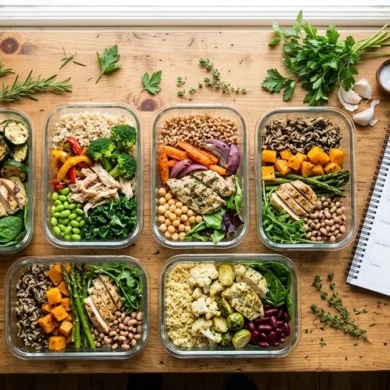
Scaling up production also requires standardizing every recipe down to the smallest detail. In casual cooking, adding a pinch of salt or a splash of citrus works fine, but a commercial kitchen demands exact weight measurements and predictable yields. Consistency builds consumer trust; guests return because they expect their favorite dish to taste identical every single time. The operational discipline gained from mastering weeknight meal prep at home translates directly into commercial kitchen operations, where portion control, organized mise en place, and ingredient management determine your daily efficiency.
Navigating Regulatory Requirements and Permits
Before you sell food to the public, you must understand the regulatory framework governing commercial food production in your community. Food safety regulations exist to protect public health, and compliance is an essential foundation for any serious cook. Depending on your location and chosen menu, you may be eligible to operate under cottage food regulations, which allow home cooks to produce certain shelf-stable foods in a residential kitchen. Other ventures, such as prepared hot meals or perishable items, generally require access to a licensed commercial kitchen facility.
Navigating these requirements involves registering your enterprise, securing municipal permits, completing food safety certifications, and arranging proper liability coverage. Understanding regulatory classifications early helps you avoid unnecessary expenses and design a compliant operational environment. If the administrative side feels overwhelming, exploring introductory articles from business resources like Small A Projects can provide a helpful overview of basic administration and common commercial structures. Establishing a solid legal framework early gives your customers genuine confidence in your standards and protects your venture over the long run.
Funding Equipment and Managing Operating Costs
Upgrading from domestic kitchen tools to commercial-grade equipment requires careful financial planning. Commercial convection ovens, high-capacity food processors, stainless steel prep tables, and heavy-duty refrigeration units represent meaningful capital investments. Beyond durable hardware, you must also account for the recurring costs of wholesale ingredients, compliant packaging materials, utility expenses, and commercial kitchen rental fees. Balancing these expenses against your anticipated sales volume is crucial during the early stages of operation.
Many culinary creators choose to launch their ventures in shared commissary kitchens to keep overhead manageable. Even with shared kitchen access, maintaining healthy cash flow during the early phases of business development is essential for stocking inventory and weathering slow periods. Reviewing commercial financing resources through services such as Small Business Loans Direct can help you explore working capital solutions and business funding structures suitable for your development timeline. Sound financial planning ensures that unexpected equipment repairs or seasonal ingredient price swings do not disrupt your kitchen routine.
Designing an Efficient Kitchen Workflow
In a commercial food operation, kitchen design and spatial organization dictate your daily efficiency and overall peace of mind. The layout of your workspace should facilitate a natural, linear progression from raw ingredient delivery to washing, chopping, cooking, packaging, and final staging. Disorganized workspaces cause unnecessary movement, create bottlenecks during peak production periods, and increase the risk of accidental cross-contamination or food waste.
To establish a dependable production routine that preserves your energy and keeps your workspace orderly, implement these essential kitchen management habits:
- Establish dedicated preparation zones to keep allergens and raw items separated from finished dishes.
- Label every container with clear production dates and batch markers to maintain systematic inventory rotation.
- Standardize cleaning checklists so sanitation tasks happen continuously throughout prep rather than piling up at night.
- Group similar cooking tasks into scheduled batches to maximize oven capacity and conserve energy.


When your preparation routines become natural and routine, you preserve mental energy for flavor balance, recipe refinement, and customer care. A clean, systematic workstation significantly lowers workplace stress and allows you to handle larger orders with confidence. Over time, these small procedural habits become the backbone of your culinary reputation, ensuring that every plate or package leaving your kitchen meets your exact standards.
Connecting with Customers and Building Your Presence
Once your kitchen systems and regulatory foundations are secure, building authentic connections with local food lovers becomes your primary focus. Farmers markets, pop-up dinners, community festivals, and collaborative events with neighborhood cafes offer direct access to diners who appreciate artisanal food. Meeting guests face-to-face gives you an invaluable opportunity to share the philosophy behind your cooking, tell the story of your ingredients, and receive immediate feedback on your flavors.
Digital storytelling also plays a valuable role in connecting with food enthusiasts in your community. Sharing clean, appetizing images of your dishes, showing glimpses of your cooking process, and providing straightforward ordering options make it easy for new customers to support your work. Rather than trying to reach an enormous general audience, focus on cultivating a dedicated group of loyal regulars who genuinely appreciate your culinary craft and recommend your food to others.
Transforming a love for home cooking into a thriving food business is a challenging yet profoundly satisfying endeavor. It bridges the gap between personal artistic expression and community service, allowing you to nourish neighbors while building something meaningful of your own. By pairing your creative culinary vision with disciplined planning, structured kitchen workflows, and an unwavering commitment to food safety, you create a foundation built for lasting success.
Take each step deliberately, embrace the learning process, and celebrate every milestone along the way. With patience, persistence, and a sincere dedication to your craft, you can successfully turn your culinary passion into a vibrant venture that feeds both your community and your creative soul.