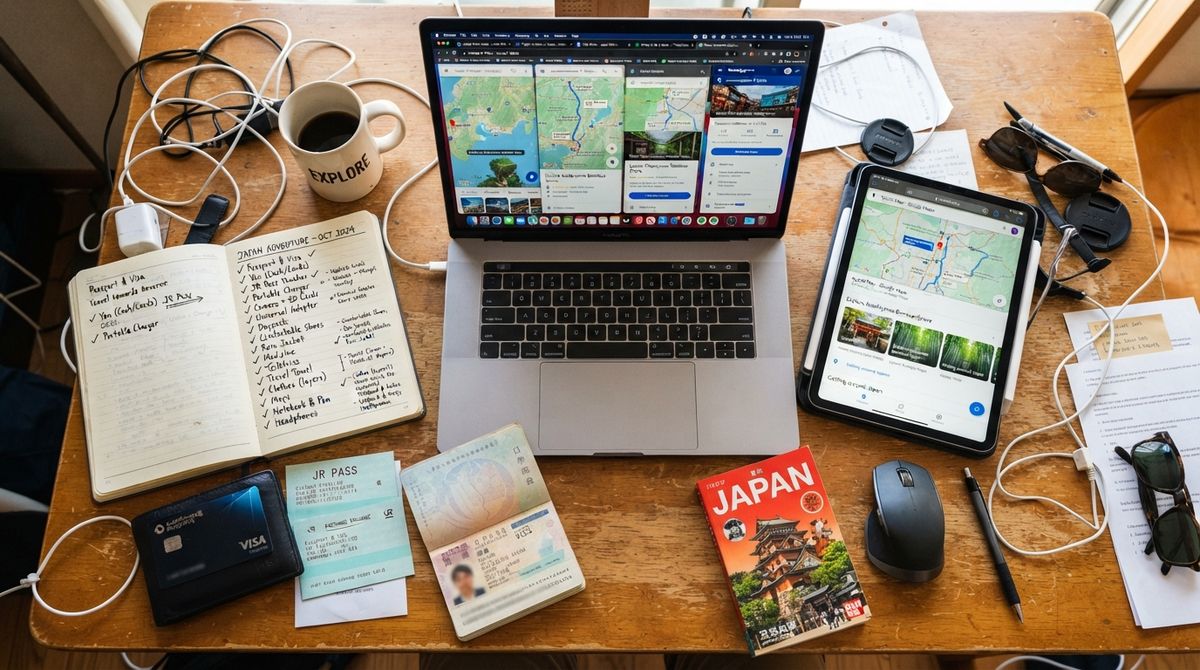
Traveling offers a profound way to connect with global culture through flavor. It goes far beyond simply visiting restaurants, inviting you into the heart of local traditions, vibrant markets, and quiet family kitchens. Preparing for a journey that celebrates both the spirit of adventure and the art of gastronomy requires careful thought, research, and a genuine sense of curiosity to ensure that every experience feels authentic.
The goal is to cultivate a travel experience that satisfies both the hunger for new landscapes and the appetite for traditional tastes. This type of exploration encourages you to look past the typical tourist paths, focusing instead on the places where food is central to daily life and history. Whether you are navigating bustling street markets or seeking out secluded rural producers, the journey itself becomes as significant as the meals you eventually share.
The Art of Designing a Culinary Trip
Designing a trip focused on food requires a blend of structure and spontaneity. It is helpful to think of your destination not just as a location, but as a collection of ingredients, techniques, and culinary stories waiting to be discovered. Instead of planning every hour, allow room for unexpected invitations, the chance to linger at a particularly compelling market stall, or the discovery of a local specialty that was not originally on your itinerary.
Consider the seasonal nature of your chosen destination. Many traditional dishes are tied closely to the time of harvest or specific cultural festivals. Aligning your travel with these periods can open doors to experiences that are otherwise unavailable, such as participating in community harvests or witnessing traditional preparation methods that have been passed down through generations. Planning around these rhythms often leads to the most memorable culinary encounters.
Researching Local Food Cultures
Effective research is the foundation of a successful food-focused expedition. Before departing, invest time in understanding the fundamental ingredients that define the region, the typical preparation styles, and the cultural importance of specific meals. This preparation deepens your appreciation once you arrive and helps you identify which local markets or neighborhood eateries are most worth your time.
A reliable approach to gathering this knowledge is to use resources that specialize in detailed, safe, and well-researched travel guidance. You might find excellent advice at bamboocompass.com, where the focus remains on ensuring travelers are fully prepared for every aspect of their journey. Using such tools to understand the broader context of your destination helps you identify the hidden gems that might otherwise be overlooked.
Look for information on regional specialties, the history of local staples, and the etiquette of dining in the area. Understanding whether a dish is meant to be eaten with hands, shared from a communal plate, or enjoyed in a specific setting adds a layer of respect and enjoyment to your experiences. This foundational knowledge allows you to engage more deeply with the people you meet, transforming you from a passive visitor into an informed participant.
Balancing Culinary Exploration with Adventure
True culinary travel often demands a spirit of adventure. The most authentic tastes are frequently found outside the main urban centers, in remote villages, or in the natural environments where ingredients are sourced. Combining your food-focused goals with outdoor exploration allows you to see the landscape that informs the local diet. Understanding the geography, the terrain, and the local agriculture is essential to understanding the food itself.
For those seeking to blend relaxation with a sense of discovery, finding the right partners to facilitate your explorations is key. You can find guidelines to help execute your next trip and choose from various experiences, ranging from relaxing excursions to more challenging adventure tours, by looking into the options provided at grenadajeeptours.com. These types of guided experiences can help you navigate terrain that might otherwise be difficult to access, ensuring you reach the areas where authentic local cuisine flourishes.
Balancing these active days with quiet, deliberate meals creates a sustainable pace. After an adventurous tour, taking the time to seek out a humble, locally recommended tavern for a regional specialty provides a perfect contrast. This approach ensures that you are not only witnessing the beauty of the region but also experiencing the sustenance that the land provides.
Logistics for Traveling Foodies
Managing the practical side of a culinary trip ensures that your focus remains on the food and culture rather than on logistical hurdles. Pack with the needs of a culinary explorer in mind, including comfortable footwear for long market walks and versatile clothing that suits various dining environments. It is also wise to bring a small, durable notebook or a dedicated space on your digital device for recording observations, recipe notes, and the names of dishes that you particularly enjoy.
Consider how you will manage and transport any food-related items you may wish to bring home, such as non-perishable spices, dried goods, or locally crafted kitchen tools. Researching the regulations for transporting food products into your home region is an essential, albeit mundane, part of the process. Keeping your culinary kit light and organized allows you to remain mobile and prepared for whatever gastronomic discoveries you might make along the way.
- Carry a sturdy bag for market finds and small kitchen tools.
- Keep a record of the ingredients and techniques that intrigue you.
- Respect local customs regarding photography and interaction in kitchens.
- Prioritize staying hydrated and eating balanced local snacks.


Engaging with Local Culinary Traditions
The most meaningful connections occur when you show genuine interest in the traditions you are experiencing. Observe how locals shop, how they interact with vendors, and the social atmosphere of their meal times. Asking questions, when appropriate, about how a dish is prepared or the history behind a particular ingredient can lead to delightful conversations and deeper insights. Remember that food is a universal language, and a smile or an expression of appreciation goes a long way in fostering warmth and hospitality.
Seek out opportunities to learn from those who practice traditional methods. This could involve observing a baker at work, participating in a market tour led by a local resident, or simply being attentive as you dine in family-owned establishments. Being present and attentive allows you to pick up on the nuances that make a dish special, from the balance of spices to the specific texture of the local bread or grain.
Turning Culinary Memories into Home Recipes
As you encounter new flavors and techniques, consider how you might adapt them to your home kitchen. The goal is not necessarily to replicate a dish perfectly, but to capture the essence and bring those memories into your own cooking. When you arrive home, begin by experimenting with ingredients you have sourced or techniques you have observed during your travels.
For additional inspiration on how to effectively integrate your travel experiences into your daily cooking habits, you may appreciate our guide on Sourcing Unique Ingredients During Your Culinary Travels, which offers practical advice on finding and using rare items back home. Adapting these flavors is a creative process, and it often involves adjusting traditional recipes to suit the ingredients available in your local environment, ensuring that the spirit of the dish remains intact.
Start with simple components, such as a signature spice blend or a traditional sauce technique, and build from there. Over time, these small additions to your repertoire will create a collection of recipes that serve as reminders of your journeys. Each meal prepared in this way becomes an opportunity to relive the experiences of your trip, sharing the stories and the flavors with friends and family, thereby extending the joy of your culinary adventure far beyond the return home.
The true value of a culinary trip lies in the lasting impact it has on your approach to cooking and eating. By remaining open to new flavors, respecting the traditions of the people you meet, and thoughtfully incorporating these experiences into your life, you build a deeper connection to the world. Each journey adds a new layer to your understanding of food, enriching both your kitchen and your life with a broader perspective and a deeper appreciation for the diversity of global culinary traditions.