Cooking good food while traveling does not mean settling for lukewarm roadside takeout or processed snack bars. Many enthusiastic home cooks hesitate to make meals away from their kitchens because they worry about missing tools and limited workspace. With a thoughtful setup, you can turn a basic trunk or cargo space into a dependable station for preparing fresh food wherever your travels take you.
A successful travel kitchen is not about bringing every gadget from your drawers. It is about selecting versatile equipment and developing a simple system for storing staples, chilling perishables, and cleaning up easily. When your setup works smoothly, cooking outdoors becomes an enjoyable part of the journey rather than an exhausting chore.
Planning Your Mobile Cooking Kit Around Real Meals
The foundation of any portable kitchen begins with the dishes you enjoy cooking. Rather than buying specialized camping gear that only serves an isolated purpose, start by choosing core items that handle multiple tasks. A deep cast-iron skillet or heavy stainless steel pan can sauté vegetables, fry eggs, and simmer a quick tomato sauce without warping under heat.
Pair your primary pan with a compact cutting board, a sturdy chef knife with a protective sheath, a silicone spatula, and a small nesting set of metal mixing bowls. These essentials allow you to chop fresh herbs, toss salads, and marinate proteins just as you would on your kitchen counter. Keeping your tool selection lean reduces clutter and makes repacking straightforward.
Prep work completed before you leave home saves precious time and water on the road. Whisking vinaigrettes into small jars, chopping hearty root vegetables, and preparing dry pancake mixes in advance keeps outdoor cooking relaxed. If you want to bake durable, portable snacks ahead of time instead of relying on store-bought crackers, review our advice on planning and storing your home bakes to make sturdy savory loaves or muffins.
Organizing Food Storage and Vehicle Travel Space
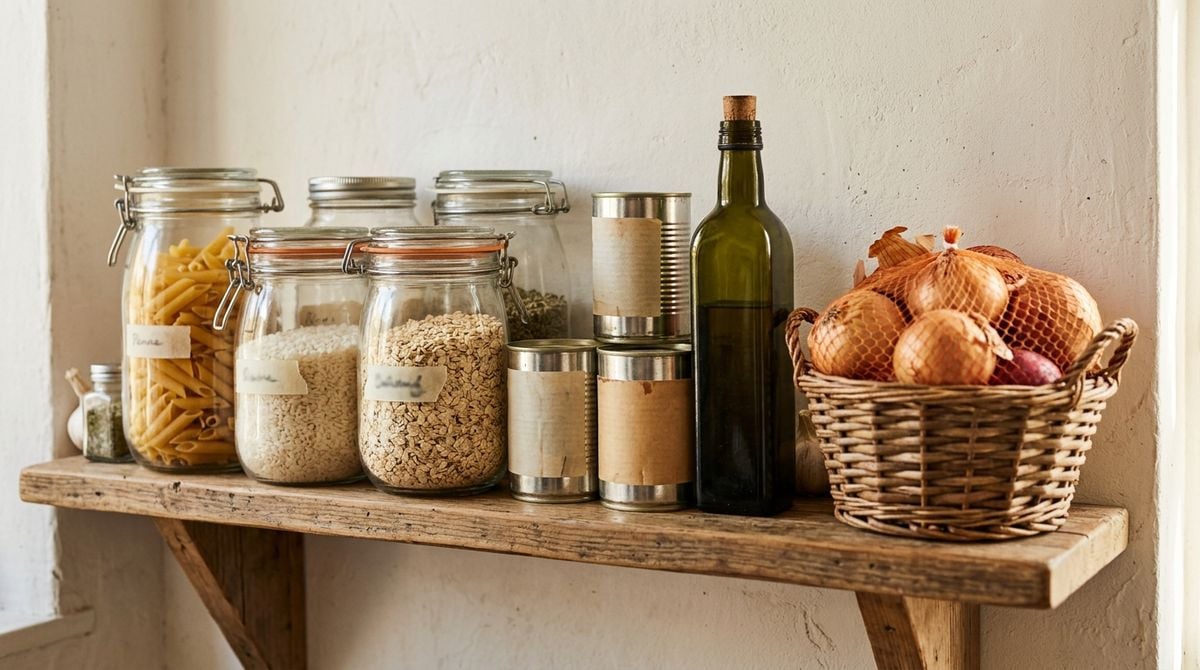
Keeping your vehicle organized is essential when hauling fresh food, cookware, and pantry goods. Clear plastic bins with latching lids make ideal containers because they keep dust out and allow you to see what is inside without rummaging through bags. Dedicating one bin to dry pantry goods and another to cookery items keeps your ingredients separate from your cookware.
Cooler management requires careful planning to prevent soggy produce and food waste. Block ice lasts considerably longer than crushed ice, keeping dairy, meat, and fresh greens chilled throughout the day. Place meat in sealed waterproof containers at the bottom where temperatures remain coldest, and layer fragile herbs and cheeses near the top to protect them from moisture.
Before loading your cargo area, make sure your vehicle is prepared to handle the extra weight and shifting cargo safely. You can browse automotive maintenance advice on site-reference.com to learn more about keeping your vehicle balanced, inspecting tires before long drives, and managing road gear.
Secure heavy bins against the seat anchors or tie-down rings in your trunk. An unsecured cooler or skillet can become dangerous during sudden stops on the highway. Stashing heavier storage totes low and toward the center of your vehicle maintains stability and leaves open space near the rear door for quick access during meal breaks.
Decoding Equipment Labels and Technical Standards
Choosing stoves and portable coolers often requires comparing equipment specifications that seem unnecessarily complicated. Outdoor burners, portable refrigeration units, and insulated cooler walls all feature technical ratings describing thermal efficiency, power draws, and heat output. Understanding these basic terms helps you match your gear to the cooking you actually want to do.
When shopping for portable burners, power stations, or cooler insulation, manufacturers often list cryptic initialisms and technical abbreviations that can confuse buyers. Checking an acronym database like Fullformguide makes it much easier to understand what these abbreviations stand for before investing in field kitchen hardware.
Pay close attention to heat output ratings on portable tabletop stoves. A compact gas stove might work fine for boiling a morning kettle of water, but it may struggle to keep steady heat in a breezy clearing. Choosing a stove with built-in wind deflectors and adjustable flame control gives you the precision required to simmer delicate sauces without scorching your food.
Safe Field Prep and Sanitary Cooking Habits
Maintaining high standards of cleanliness away from running tap water is the most important skill for any mobile cook. Cross-contamination can ruin a road trip quickly, so establishing clear boundaries between raw meat prep and fresh produce handling is vital. Always wipe prep surfaces down before you set out your board, and use separate utensils for raw and cooked ingredients.
A practical field sanitation kit should always include a few essentials:


- Biodegradable liquid soap in a squeeze bottle
- Clean dish towels designated only for drying clean hands
- Pre-moistened sanitizing wipes for quick surface cleanups
- A dedicated basin for washing prep knives and boards
Washing dishes outdoors requires a deliberate approach to conserve water. Scrape food residue into a trash bag with a rubber spatula before washing so your wash basin stays clean longer. Use warm water when possible to cut through grease, rinse thoroughly, and let your cookware air dry completely before packing it away.
Smart Packing Routines for Smooth Arrivals
A systematic packing order prevents you from tearing your vehicle apart to prepare a simple midday lunch. Pack the items you need first near the opening of your trunk or tailgate. Your camp stove, fuel, a small cutting board, and basic lunch supplies should always remain within arm’s reach so you can prepare a meal without unloading heavy gear.
Reserve the deeper corners of your trunk for dinner items, bulk dry goods, and secondary cookpots that you will only need once you arrive at your final destination. Keep cooking oil and liquid sauces inside zip-top bags within your pantry bin to prevent spills from coating your other provisions if roads become bumpy.
When you arrive at a campsite, scenic overlook, or rest area, set your portable kitchen on a flat, stable surface away from dry leaves and vehicle exhaust. Taking a few minutes to arrange your cutting station, trash bag, and stove before igniting the burner creates an orderly environment that makes mobile cooking feel comfortable and relaxing.
Embracing food preparation on the road transforms how you travel. When you control your ingredients and carry reliable tools, every roadside stop becomes an opportunity to savor fresh flavors and enjoy peaceful meals in scenic surroundings. With an organized vehicle, durable kitchen staples, and a thoughtful routine, you can cook memorable dinners anywhere your travels take you.