Early practice mornings can turn a kitchen into a rush of toast, cereal bowls and half-packed bags. Families who cook at home often want something warmer and more filling than a quick snack, yet time is short and tempers run high before the first whistle. A little planning can change that picture, but many of the habits people follow come from advice that does not fit a busy household.
This article looks at five common beliefs about breakfast before dawn practices and explains what tends to work better in a home kitchen. The goal is not a perfect plate every day. It is a routine that keeps mornings calm, feeds the household sensibly and leaves room for the unexpected, such as a missing sock or a late car.
Breakfast Must Be Hot and Cooked to Order
Many families believe that a proper breakfast needs fresh cooking every morning, which makes early starts feel impossible. A hot pan at six in the morning rarely fits a schedule with lunches, bags and rides to arrange. Cooking a larger batch the night before, then reheating it gently, often gives the same comfort with less stress. Readers may also want to visit policydevelopment.org.
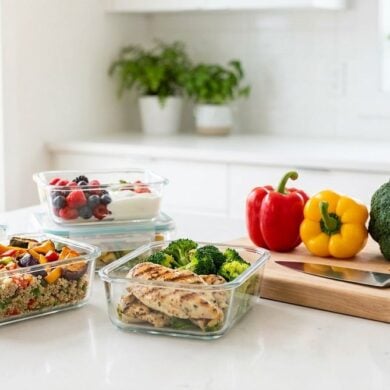
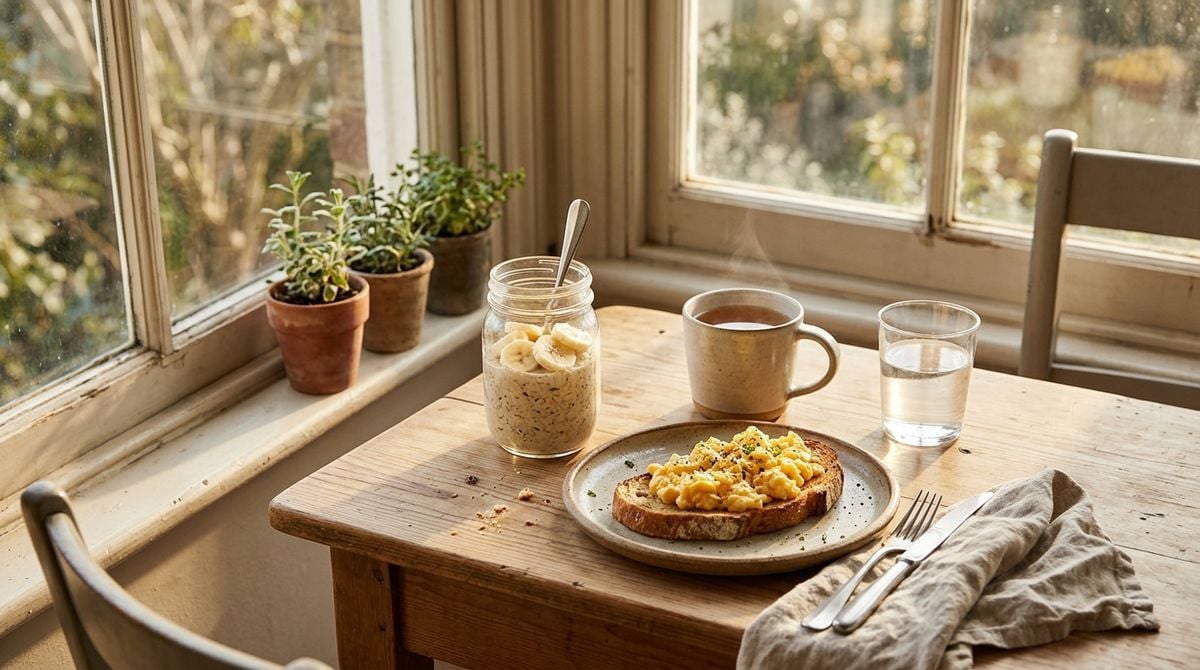
Choose one or two dishes that reheat well, such as baked oats, egg bakes or a simple porridge base. Divide them into single portions so each child can take a serving without waiting. Keep fruit, yogurt and a few nuts nearby so the plate can be finished in a minute. A warm dish and a cold side make the meal feel fresh without a long kitchen session.
Sugary Cereal Is the Only Quick Option
A box of sweet cereal is often treated as the only fast choice when the clock is tight. It is easy to pour, but it can leave a child hungry again well before lunch, especially after a long practice. Other options can be just as quick, such as a wrap with cheese and cooked beans, or a bowl of plain oats topped with fruit. You can also visit Diving Legal Consultant for more reading.
The quickest breakfast is often the one that already exists in the fridge. Store cut fruit, boiled eggs and yogurt pots in a visible spot, so the morning routine is a matter of assembling rather than cooking. Keep a small stash of whole grain crackers or muffins for the car. This approach keeps the meal simple without relying on the same packet every day.
Heavier Breakfasts Always Make Mornings Easier
Some families assume a large, heavy breakfast will carry a young athlete through an entire practice. A very full stomach can feel uncomfortable during exercise, and a meal that is too rich may sit poorly. A balanced plate with moderate portions, a source of protein and some slower carbohydrates usually feels better. For a related read on this site, see A Simple Storage Routine for Vape Supplies in.
Watch how each child responds on different days, and adjust the amount rather than copying a routine from a friend. Offer water with the meal and a small snack if practice starts soon after breakfast. Some children prefer a lighter plate, and that choice deserves respect. Talking with a coach about timing can also help when a schedule changes.
Make-Ahead Food Tastes Worse by Morning
It is common to think that anything cooked the night before will turn soggy or bland by sunrise. Some dishes do lose texture, but many improve overnight as flavors settle. The trick lies in choosing the right recipe and storing it properly. Cooling food quickly and keeping it chilled until reheating matters just as much as the recipe itself.


Label each container with the date and the reheating instructions, then keep the most delicate items for a fresh topping. Store wet and dry items separately, so the crunch stays intact. Reheat only the portion that will be eaten, and avoid returning leftovers to the fridge after they have warmed. A simple shelf plan keeps the morning routine calm and predictable.
Every Family Member Needs a Separate Menu
Parents sometimes feel they must prepare a different breakfast for each child, which quickly becomes exhausting. A single base with a few optional toppings lets each person build a plate they like. The base can be oats, toast or a warm grain, and the toppings can include eggs, fruit, nut butter or seeds. This method respects different tastes without multiplying the work.
Set up a simple build-your-own station the night before, with bowls and labeled jars on a tray. Let older children add their own toppings, which teaches planning and saves time. Allow one small favorite on the tray, so mornings do not become a negotiation. Over a few weeks, the family often settles into a pattern that everyone accepts.
A Lighter Morning Routine to Keep
The beliefs above tend to make breakfast seem bigger than it needs to be. A good early-morning routine uses batch cooking, simple assembly and a few dependable favorites. Small habits, repeated across a season, make a real difference to the family’s calm. Pick one change this week and build from there, because practice days come around quickly.