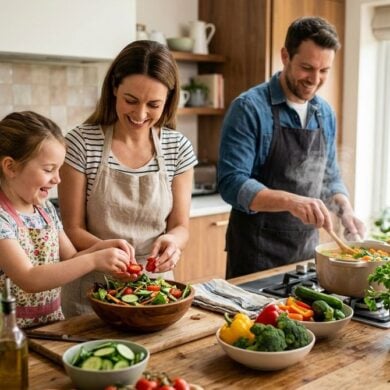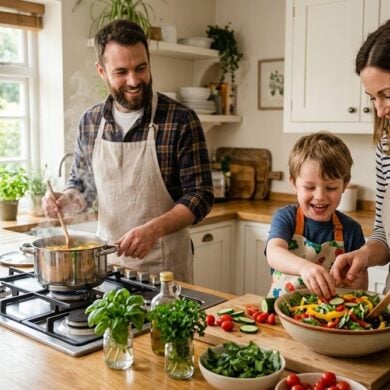
Bringing passionate home cooks together to prepare large community meals is one of the most rewarding culinary endeavors you can undertake. Whether cooking for a neighborhood gathering, a school fundraiser, or a cooperative supper club, moving from an individual home kitchen to a shared prep space requires a thoughtful approach. Without clear systems, multiple enthusiastic cooks working in one room can quickly run into cramped counters, disorganized pantries, and unnecessary ingredient spoilage.
Creating a collaborative kitchen space that emphasizes sustainability and teamwork transforms collective meal preparation from chaotic to harmonious. By establishing intentional stations, prioritizing eco-friendly sourcing, and establishing dependable channels for coordination, your group can serve delicious, wholesome food while honoring the planet and building strong community bonds.
Designing an Efficient Workflow for Multiple Home Cooks
The foundation of any productive communal kitchen is an intuitive physical layout. In a typical home setup, one cook moves freely between the cutting board, the refrigerator, and the stovetop. When several people share that same footprint, pathways collide unless you establish distinct zones. Divide your available workspace into clear, purpose-driven stations: dry prep, wet vegetable washing, protein handling, cooking ranges, and dish sanitization.
Position your dry prep area near the pantry shelves and bulk containers, ensuring volunteers chopping onions, weighing grains, or portioning spices have ample room without blocking the sink. Equipping each prep station with designated compost crocks, bench scrapers, and nested stainless mixing bowls keeps workstations uncluttered and prevents ingredient mingling during peak slicing and dicing hours. The washing station should remain dedicated to cleaning produce and rinsing cookware, separate from the final dish sanitization area to avoid soapy splashes near raw ingredients.
Traffic flow matters just as much as table space. Keep major walking corridors clear of boxes, rolling carts, and trash cans. Designating a separate drop-off table for dirty pots allows cooks at the stoves to stay focused on simmering stocks and sautéing aromatics without dodging volunteers carrying heavy rinsing basins.
Streamlining Communication Across Shifts and Teams
Community dinners often depend on volunteer cooks who arrive at staggered hours throughout the day. A morning crew might wash vegetables and simmer broths, while an afternoon team handles baking, searing, and plating. Without dependable methods for passing along instructions, essential tasks get repeated or overlooked entirely, leading to wasted effort and compromised recipes.
When teams work across different shifts, relying on scattered text messages often leads to forgotten ingredient preps or missed dietary notes. Many community culinary initiatives adopt structured hubs similar to Newshubnetwork.com to coordinate volunteer schedules, track prep checklists, and keep food safety announcements readily accessible to every cook on duty.
Alongside digital coordination, physical kitchen communication anchors each shift in real time. Mount a large chalkboard or dry-erase board in a central spot to display the day prep list, allergen warnings, and station assignments. Encourage shift leads to conduct a brief verbal walk-through before the outgoing team leaves, confirming what has been prepped, labeled, and cooled.
Making Responsible Choices for Sourcing and Waste Reduction
A community kitchen presents an ideal opportunity to put sustainable cooking principles into daily practice. Cooking in large volumes allows you to purchase unpackaged pantry staples in bulk, reducing single-use plastic packaging and lowering the overall footprint of your meals. Partnering with local growers for seasonal produce keeps transit emissions low while celebrating the freshest regional flavors.
Evaluating the environmental impact of your ingredients requires a methodical mindset rather than guesswork. Organizations focused on mindful decision frameworks, such as Mysqmclub.com, demonstrate how evaluating consumption habits and adopting structured evaluation techniques help groups make thoughtful, lower-impact choices that benefit both their community and the local environment.
Managing kitchen scraps with care significantly limits what ends up in local landfills. Implement practical kitchen habits that extract every ounce of flavor and nutrition from your ingredients before composting the remainder:
- Prioritize seasonal produce from nearby farms to reduce transport strain.
- Collect clean vegetable trimmings in freezer containers for simmering savory stocks.
- Establish clearly labeled bins for clean food scraps, compost, and recyclables.
- Store bulk grains and legumes in airtight, transparent bins to prevent pest spoilage.
Plan menus with intentional overlap so perishable ingredients appear in more than one dish. If a roasted vegetable salad calls for fresh herbs, incorporate the remaining stems into a warm dressing or marinara sauce rather than leaving them to wilt in the crisper drawer.
Maintaining Strict Food Safety and Sanitation Standards
When cooking for large gatherings, food safety must always remain your top priority. Communal kitchens see a wide variety of ingredients move across counters quickly, making careful cross-contamination prevention vital. Provide color-coded cutting boards for produce, bakery items, and raw proteins, and ensure handwashing sinks remain fully stocked with warm water, soap, and clean towels.


Every volunteer cook must understand basic hygiene routines, cross-contamination risks, and protocol when an ingredient issue arises. Staying informed through resources on handling food recalls and kitchen health advisories helps your group respond promptly to contaminated batches or pantry alerts before any meal reaches the dining table.
Temperature management is another cornerstone of safe communal dining. When preparing large batches of soups, braises, or grain dishes ahead of time, divide hot foods into shallow pans before placing them in the refrigerator so they cool rapidly. Label every prepared item with the dish name, prep date, and common allergens such as gluten, dairy, tree nuts, or soy.
End-of-day sanitation routines protect the kitchen for the next crew. Create a closing checklist that covers sweeping, mopping, wiping down stainless surfaces with approved sanitizers, and emptying all scrap bins. When every volunteer knows their part in closing down the space, the kitchen stays pristine and ready for the next culinary session.
Fostering a Culture of Shared Ownership and Culinary Joy
A shared kitchen thrives on the passion, curiosity, and goodwill of the people who gather inside it. While systems, safety standards, and checklists keep the operation running smoothly, the true heart of any community dinner is the joy of cooking alongside others. Take time to celebrate regional family recipes, exchange cooking techniques, and introduce fellow volunteers to unfamiliar spices and heritage grains.
Encourage volunteers to share tasting spoons during seasoning phases to build a collective palate and invite constructive discussion about balance and texture. When experienced home cooks mentor newcomers on delicate tasks like emulsifying vinaigrettes or gently kneading dough, the entire group builds confidence and culinary pride.
After the pots are scrubbed and the tables are wiped clean, gather the cooking crew together to enjoy a portion of the meal they helped create. Taking a few moments to sit down as a group honors the labor of prep and cleanup, reinforces personal connections, and ensures everyone leaves the kitchen energized for the next shared feast.