Teachers rarely get a relaxed lunch. Between morning duty, class changes, and a pile of papers waiting on the desk, the midday meal often turns into something eaten standing up or skipped altogether. A make-ahead plan can change that pattern without taking over your evenings. Instead of deciding what to eat each morning while rushing out the door, you prepare a few components on one calm night and then assemble quick meals during the week. This article explains how to build that plan, which parts to prepare first, and how to keep it flexible when the school calendar shifts.
Start With Three Reliable Base Meals
Begin by choosing three base meals that you genuinely enjoy eating cold or at room temperature. Grain bowls, pasta salads, and wraps tend to hold up well in a container until lunch, while hot soups and fried foods often lose their appeal. Keep the list short so the plan does not feel like a second job. Writing the three choices on a card and taping it inside a cupboard door is a simple reminder that works well for many busy people. Readers may also want to visit yamamamedia.com.
Prepare Components Rather Than Full Meals
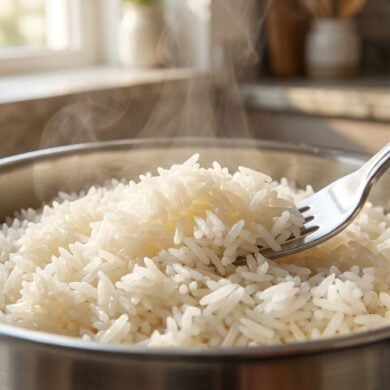
Preparing components gives you more variety with less effort than cooking complete meals. Cook one grain, roast one tray of vegetables, make one dressing, and portion one protein for the week. Each component can appear in different combinations over several days. A single batch of roasted vegetables might become a salad on Monday, a wrap filling on Wednesday, and a side dish on Friday. Keep dressings in small separate containers so bread and greens do not turn soggy before lunch. Let cooked grains cool uncovered for a short time before sealing them, because trapped steam can make the texture heavy and encourage condensation inside the lid.
A few habits make the components easier to manage:
1. Store wet ingredients such as sliced tomatoes apart from leafy greens.
2. Label every container with the date it was prepared.
3. Keep a small insulated pack in your bag on warm afternoons.
4. Pack a spare napkin and a fork, so you are never caught without utensils.


Plan Around the Real Length of Your Break
A short lunch break needs food that opens easily and eats cleanly. Think about how much time you actually have, not how much time you wish you had. If the break is brief, choose items that need no reheating and no cutlery beyond a fork. Some teachers keep a small set of reusable utensils in a drawer at school, while others prefer foods they can eat with one hand while checking tomorrow’s lesson notes. You can also visit Top Best One for more reading. Pairing one filling item, such as beans or eggs, with one fresh item, such as cucumber or fruit, helps you feel satisfied without a long preparation process.
Keep the Plan Flexible Through Busy Weeks
Some weeks will be crowded with parent evenings, report deadlines, or sports fixtures, and the plan should bend without breaking. Freeze one spare portion of soup or stew each week so there is always a backup in the freezer. For a related read on this site, see Lunchbox Logistics: Packing School Lunches That Stay Fresh. Rotate your base meals every few weeks so your taste does not grow bored, and move a favourite dish to a different day when your schedule changes. Keep an emergency shelf with crackers, tinned fish, and fruit that needs no cooking, so a missed preparation session does not mean an empty lunch bag.
Build a Routine That Lasts the Whole Term
The easiest routine is the one you can repeat without thinking. Choose one fixed evening for shopping and one fixed block of time for cooking, and protect both from meetings where possible. Many teachers find that a half-hour session at the weekend supports the week better than a long marathon that leaves them exhausted. Review the plan at the end of each half-term and remove any meal that no longer appeals. Add a note to your planner reminding you which containers need washing, so the cleaning does not pile up after a long day. The goal is not perfection or a photogenic lunchbox. It is to give your midday hours a little more calm and a little more nourishment, one container at a time.
If you have a specific dietary need, an allergy, or a medical condition, speak with a qualified dietitian or your doctor before changing what you eat. This article offers general information only.