The online marketplace for homemade food has expanded dramatically, giving cottage food producers and small-scale food entrepreneurs more options than ever to reach customers beyond their local farmers market. Here are the best platforms for selling your homemade food online.
Goldbelly
Goldbelly is the premium marketplace specifically for artisan and iconic American food. It’s the gold standard for shipping regional food products nationwide. Getting accepted onto Goldbelly is competitive, but acceptance provides access to a highly motivated, food-obsessed customer base willing to pay premium prices. It’s ideal for brands with a compelling story and distinctive products.
Etsy
Etsy has a large marketplace for food products — particularly baked goods, specialty items, and artisan food gifts. It’s accessible, low-cost to enter, and has built-in search traffic. However, competition is significant, and you’ll need excellent photography and reviews to stand out. Ensure your products comply with Etsy’s food policies and your state’s shipping regulations.
Your Own Shopify Store
While platforms like Goldbelly and Etsy provide built-in traffic, they also take significant commissions and give you limited control over customer relationships. A Shopify store gives you full control, direct customer relationships, and the ability to build an email list. The trade-off is that you’re responsible for driving all your own traffic.
Amazon Handmade
Amazon’s Handmade marketplace is a section of Amazon specifically for artisan producers. It provides access to Amazon’s enormous customer base while positioning your products as handcrafted. The competitive landscape is intense, but the traffic potential is unmatched.
Instagram Shopping
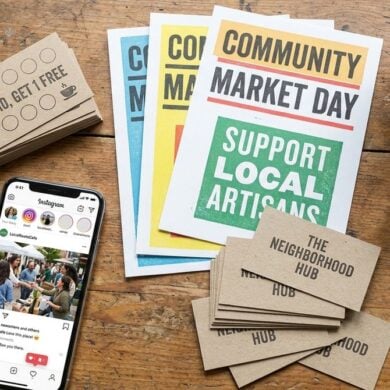
Instagram’s shopping integration allows you to tag products in posts and direct followers to purchase. For food brands with strong visual content and engaged social followings, Instagram Shopping can be a significant revenue driver — especially for products with genuinely beautiful aesthetics.
Local Delivery Platforms
Platforms like DoorDash, Instacart, and UberEats now work with some home-based food producers in markets where local regulations permit. These platforms provide local delivery logistics that can dramatically expand your reach within your city.
Health-Focused Niche Marketplaces
Readers may also want to visit Fitness-Studion1. These platforms have pre-sorted audiences already committed to healthy eating.


Dietary Community Marketplaces
You can also visit 40tbfacts.com for more reading. Being visible in these communities can generate passionate early-adopter customers.
Facebook Marketplace
For local food delivery and pickup, Facebook Marketplace is an underrated sales channel. It reaches your local community with minimal fees and allows direct communication with potential customers.
The Multi-Platform Strategy
The most successful online food sellers don’t rely on a single platform. They operate across multiple channels simultaneously — a direct website, an Etsy shop, and Amazon presence at minimum — reducing their dependence on any single platform’s algorithm or policy changes. As Eat Well and Live Long suggests about balanced living — diversity and balance in your approach create resilience and sustainable long-term health for your business.