Dedicated cooks and food lovers often reach a stage where a standard domestic kitchen can no longer contain their culinary ambition. The dream shifts toward creating an immersive environment: a private countryside retreat where guests gather to harvest heirloom produce, master regional cooking techniques, and share long communal dinners under the open sky. Transitioning from home entertaining to managing an experiential food destination requires a fundamental shift in how you evaluate real estate, moving beyond cosmetic charm to practical operational capacity.
Acquiring the right parcel of land or heritage farmhouse is entirely different from buying a typical suburban residence. You must consider agricultural viability, flexible zoning, municipal water capacity, and the physical flow between cooking stations and guest suites. If you have already read our earlier guide on choosing a home for food lovers, you understand how indoor cooking layouts impact meal preparation, but launching a dedicated retreat expands those considerations to the entire property boundary.
Defining Your Culinary Vision and Space Requirements
Every memorable food retreat begins with a clear operational concept. Before scheduling property viewings, determine the exact experiences you intend to offer. A retreat focused on wood-fired baking and sourdough masterclasses requires different structural features than one centered around wild foraging, butchery, or estate-grown fruit pairings. Clarifying your culinary focus helps you establish realistic space priorities rather than falling in love with picturesque acreage that cannot support your specialized prep equipment.
Consider how your guests will interact with the property throughout their stay. You will need dedicated teaching areas where multiple students can chop, knead, and simmer simultaneously without bumping elbows or competing for prep surfaces. In addition to instructional zones, your site must accommodate tranquil gathering spaces, a comfortable dining room for multi-course meal service, and quiet overnight accommodations. When guests feel relaxed and unhurried, their appreciation for the artisanal techniques and food you prepare deepens considerably.
Evaluating Land for Gardens, Orchards, and Water Access
A true culinary retreat connects the plate directly to the soil. For many hosts, the ability to step outside and harvest fresh herbs, edible flowers, stone fruits, and seasonal vegetables forms the core of the guest experience. As you walk potential parcels of land, pay close attention to topography, sunlight patterns, and soil composition. Rocky, depleted ground or low-lying areas prone to seasonal pooling can hinder your agricultural plans before your initial workshop even begins.
A thorough outdoor inspection should prioritize several fundamental land characteristics:
- Consistent daily sun exposure for raised vegetable beds and heritage fruit trees
- Reliable potable water supplies capable of supporting irrigation and hospitality use
- Clean soil conditions with natural drainage and healthy organic matter
- Mature windbreaks or natural slopes that shelter delicate kitchen gardens
Water reliability is especially critical for rural culinary ventures. Between daily dishwashing, high-volume prep work, guest lodging, and garden maintenance, your water system will face constant demand. Always verify well flow rates, municipal connections, and local irrigation rights during your initial due diligence. A picturesque farmhouse loses its appeal quickly if the water source cannot maintain steady pressure during an intensive weekend cooking workshop.
Researching Regional Real Estate Trends and Market Viability
Location dictates both the guest experience and the long-term sustainability of your culinary retreat. A property located within reasonable driving distance of regional transit hubs or scenic rural corridors will attract steady interest from weekend travelers seeking restorative food getaways. At the same time, positioning your retreat near reputable creamers, apiaries, organic farms, and artisan mills enriches your curriculum by providing abundant local sourcing options.
Market conditions shift across rural and semi-rural regions as buyer interest moves between different destination towns. Keeping an eye on broader market movements helps you identify up-and-coming areas before land values rise significantly. Reading curated property analysis on portals like Aksaray City offers helpful perspective on contemporary property market trends, regional real estate shifts, and broader developments that can inform your search for the right rural destination.
Take time to explore the surrounding community outside of peak tourist hours. Speak with nearby growers, visit the weekend farmers market, and observe the local road maintenance during inclement weather. An area that values food culture and preserves open farm corridors will naturally support your hospitality venture, while a community facing rapid industrial expansion could undermine the peaceful retreat atmosphere you want to cultivate for visiting guests.
Working with Specialized Real Estate Professionals
Navigating mixed-use property purchases requires expertise that ordinary residential house hunting rarely touches. Properties that combine living quarters, agricultural land, and public workshop spaces often cross municipal boundaries regarding land use classification and occupancy rules. Working with an agent who understands rural easements, outbuilding conversions, and commercial kitchen allowances will save you considerable time, legal confusion, and frustration during the purchase phase.


A knowledgeable property specialist can also help you understand environmental protections, septic capacity thresholds, and historic preservation rules that could restrict future renovations. Exploring professional matching platforms such as Estate-link.net allows you to connect with experienced estate agents who can guide your acquisition, evaluate fair property values, and protect your long-term capital throughout complex negotiations.
When interviewing potential representatives, inquire directly about their experience with rural properties and small hospitality businesses. Ask how they evaluate well test results, septic designs, and deed covenants. An agent who proactively uncovers zoning restrictions or building code hurdles before you submit an offer is an invaluable ally in bringing your culinary dream to fruition.
Assessing the Existing Structure for Kitchen Expansion
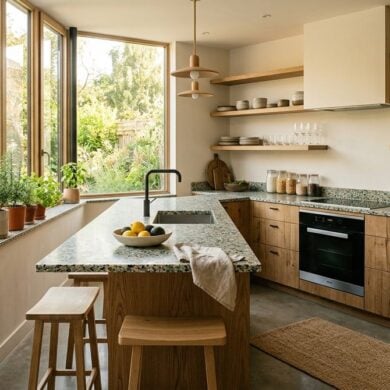
Unless you plan to build an entirely custom facility from the ground up, the properties you tour will feature existing residential or farm structures. Look past cosmetic finishes like dated cabinetry or vintage tile and examine the underlying infrastructure that powers daily cooking. A successful teaching kitchen requires robust electrical service to power multiple induction burners and heavy-duty mixers, reinforced flooring beneath stone hearths or baking ovens, and clear pathways for commercial-grade ventilation hoods.
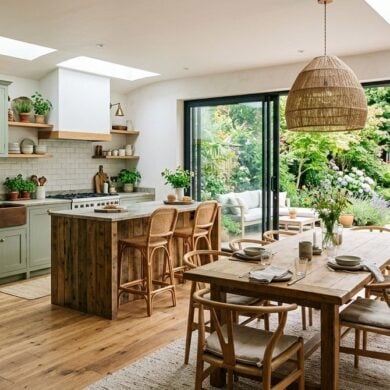
Evaluate the natural flow between the cooking space and the rest of the home. Cooking with groups generates significant heat, moisture, and ambient noise. Look for layouts that permit open sightlines during knife skills demonstrations while allowing dirty cookware and bulk dishwashing to remain discreetly tucked away. High ceilings, wide doorways, and direct access to outdoor herb gardens or patio dining areas will elevate the space from a crowded home kitchen into an inspiring culinary sanctuary.
Final Steps Toward Realizing Your Food Retreat
Finding the right parcel of land and farmhouse demands patience, curiosity, and thorough due diligence. Every valley and rural county brings distinct microclimates, water characteristics, and community dynamics. By approaching the property hunt through both an agricultural and an architectural lens, you ensure that your eventual location can support ambitious menus and smooth daily operations. Take the time to revisit promising locations during different times of day to ensure the ambient environment matches your expectations.
Creating a place where people disconnect from busy routines to rediscover handmade pasta, heritage baking, and farm-fresh cooking is one of the most rewarding journeys a food lover can undertake. When you anchor your venture to land with rich soil, dependable utilities, and a thoughtfully planned kitchen, you build a welcoming sanctuary that will nourish curious cooks and appreciative guests for many seasons to come.