Teaching people how to cook brings food lovers together in a way few other culinary ventures can match. Rather than serving finished plates to quiet tables, a boutique cooking class studio turns the preparation process into the main event. It invites home cooks, curious novices, and passionate food enthusiasts into a shared space to learn techniques, discover heritage recipes, and enjoy a meal they prepared with their own hands.
Transitioning from an enthusiastic home cook or professional chef into a culinary educator requires a deliberate shift in perspective. You are no longer just managing kitchen tickets or perfecting dishes for personal enjoyment. Instead, you are orchestrating an engaging educational experience. Turning this culinary passion into a viable independent studio demands thoughtful planning, an inviting physical space, and steady operational habits.
Clarifying Your Culinary Concept and Teaching Philosophy
Every memorable cooking school begins with a distinct point of view. Trying to teach every style of cuisine right from the start can dilute your identity and overwhelm your prep schedule. Instead, focus on themes that reflect your genuine strengths and regional availability. You might specialize in traditional handmade pasta, artisan sourdough techniques, regional street foods, plant-forward seasonal menus, or fundamental knife skills for beginners. A well-defined niche helps prospective students instantly understand what makes your kitchen unique.
Your teaching philosophy determines how comfortable guests feel at their stations. Adult learners often arrive with varying levels of confidence. Some feel intimidated by commercial burners and chef knives, while others want to master advanced techniques. Emphasize patience, sensory learning, and encouragement over rigid perfectionism. When students learn why an onion softens or how browning builds flavor, they gain kitchen confidence that lasts far beyond the evening.
- Keep core recipe steps straightforward and repeatable for home kitchens.
- Focus on foundational techniques rather than overly intricate garnishes.
- Encourage guests to taste, season, and adjust throughout every stage.
- Allow generous time for questions, storytelling, and relaxed dining.
Designing an Inviting and Functional Kitchen Classroom
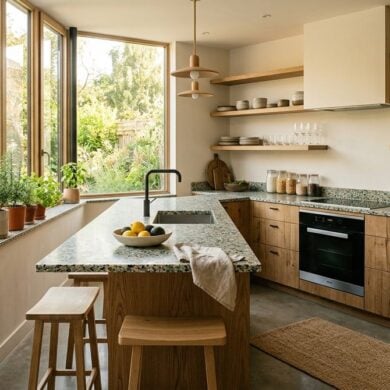
The physical layout of your cooking studio must balance domestic warmth with commercial kitchen safety. Unlike a traditional restaurant line built solely for speed, a classroom requires clear sightlines, generous aisle space, and ample counter room for multiple people working simultaneously. Portable induction cooktops, sturdy wooden work tables, and dedicated prep boards give each student the room they need to chop, stir, and assemble without crowding their neighbors.
Lighting and acoustics play a major role in the overall student experience. Bright task lighting over the demonstration counter and prep stations helps students see subtle color changes in their pans. Sound-dampening elements prevent clattering pots and running water from drowning out your instructions. A dedicated dining table away from the active prep zone allows guests to sit together, relax, and savor their finished creations as a community.
Establishing Seamless Daily Operations and Business Tools
Behind every smooth cooking demonstration lies meticulous administrative discipline. Sourcing fresh produce, maintaining safe refrigeration, tracking kitchen inventory, and scheduling assistants require structured routines. Establishing standardized prep lists for every course ensures that you never run short of ingredients or clean measuring spoons halfway through a session. Consistent prep work also helps you minimize food waste by accurately calculating portions based on confirmed guest rosters.
Digital organization is just as vital as clean prep tables. Choosing reliable scheduling platforms, email workflows, and digital accounting software prevents double-bookings and keeps administrative records orderly. For practical guidance on selecting modern productivity platforms and refining professional communication habits, exploring resources on BusinessPhrases can help clarify the administrative tools needed to run an efficient enterprise. Clear booking confirmations, automated reminder notes, and simple dietary preference forms ensure that both you and your guests arrive fully prepared on class day.
Class scheduling requires a balanced calendar that accommodates diverse customer routines. Weekend evening classes naturally appeal to couples and social groups looking for dynamic dinner alternatives, while weekday morning slots work well for retirees, remote workers, and travelers. Offering occasional midday sessions or parent-child workshops helps maximize kitchen utilization during hours that might otherwise sit empty.
Building Community and Marketing Your Class Experiences
Attracting enthusiastic students to your studio requires consistent community storytelling. High-quality imagery of hands kneading dough, vibrant seasonal produce, and joyful dinner tables communicates the warmth of your studio far better than simple text schedules. Partnering with local farmers markets, neighborhood beverage makers, and food festivals helps embed your studio into the surrounding culinary scene. Word-of-mouth recommendations from satisfied students will quickly become your most valuable promotional channel.

Building a sustainable enterprise also requires developing strong long-term business acumen and personal accountability. Navigating the journey from an initial concept to a flourishing studio takes patience, strategic planning, and continuous learning. When you need broader inspiration and practical guidance on goal setting, consulting go-oodles.com offers useful insights for founders working to turn an entrepreneurial vision into steady progress. Maintaining this focused momentum ensures that your creative ideas translate into an enduring community destination.
Encouraging repeat bookings is another essential pillar of sustained studio health. Offering progressive class pathways, such as moving from basic sauce preparation to intermediate pastry techniques, gives returning students a clear incentive to continue learning in your kitchen. A simple loyalty program or exclusive early access to upcoming seasonal menus makes past participants feel appreciated and eager to reserve their next culinary experience.
Expanding Beyond Single Sessions into Retailing and Events
Once your regular workshop schedule runs smoothly, look for natural ways to diversify your revenue streams. Private corporate team-building events, birthday celebrations, and seasonal guest-chef residencies allow you to fill open calendar dates. You can also offer curated pantry goods that support your curriculum, such as custom spice blends, infused finishing oils, or signature aprons that students can purchase to recreate recipes at home.
Packaging and selling these branded pantry staples creates an additional touchpoint for your studio. If you decide to develop packaged items for your front-of-house shelves, reading our guide on launching a specialty food brand provides useful direction on recipe formulation, packaging considerations, and distribution methods. Adding retail goods not only boosts average ticket size but also reinforces your studio identity every time a customer cooks at home.
Running an independent cooking class studio allows you to share your passion for food while creating meaningful human connections around the table. By focusing on engaging curriculum design, maintaining disciplined operations, and nurturing a supportive community, you can build a welcoming space where culinary curiosity thrives. With patience, dedication, and genuine hospitality, your studio can become a beloved gathering place for food lovers for years to come.