Turning a passion for scratch cooking into a steady income stream is a dream shared by many home cooks and aspiring culinary professionals. While running a traditional brick-and-mortar restaurant requires immense overhead and chaotic hours, a local meal prep delivery service offers a manageable and rewarding alternative. By cooking fresh, portioned meals for busy professionals, parents, and fitness enthusiasts in your community, you can build a sustainable food enterprise right from your own regional base.
The demand for wholesome, ready-to-heat meals continues to expand as people seek convenient alternatives to dining out and generic frozen dinners. When you prepare flavorful dishes made with real ingredients and deliver them directly to doorsteps, you solve a daily dilemma for your neighbors. Succeeding in this space, however, requires far more than culinary talent. It demands disciplined planning, smart kitchen logistics, and consistent communication with your customers.
Define Your Culinary Niche and Core Menu Strategy
Every memorable food enterprise begins with a clear identity. Trying to cook everything for everyone often leads to ingredient waste, complicated prep schedules, and a diluted brand. Instead, identify a specific culinary focus that reflects your personal cooking style while meeting a genuine community need. Whether you specialize in vibrant plant-based bowls, hearty family comfort classics, or high-protein macro-friendly entrees, choosing a lane helps you build a dedicated following.
Once you select your focus, design a rotating menu structure that keeps customers interested without overwhelming your kitchen. A roster of several rotating weekly selections gives subscribers enough variety to stay engaged over months. When crafting each dish, always consider how textures and flavors hold up after refrigeration and reheating. Delicate greens wilt quickly, while braised meats, roasted root vegetables, grain bowls, and rich curries often taste even better after their flavors meld together overnight.
Keep your ingredient lists tight and cross-utilize items across multiple recipes. If a Mediterranean lemon chicken dish calls for roasted bell peppers, feature those same peppers in a vegetarian quinoa bake. This approach minimizes food waste, simplifies shopping lists, and keeps your operational prep manageable during busy cooking days.
Streamline Kitchen Workflow and Batch Cooking Operations
Transitioning from preparing dinner for a family to packaging dozens of individual portions requires an organized production schedule. Successful operators divide their week into distinct phases: dedicated grocery sourcing, prep work, cooking, packaging, and delivery. Separating these responsibilities prevents kitchen chaos and ensures every container meets your presentation and safety standards.
Before launching, research local regulations regarding commercial kitchens, shared commissary spaces, and cottage food operations in your municipality. Securing the appropriate food handler credentials and operating within licensed facilities protects both your customers and your venture. Standardizing every recipe with exact ingredient measurements ensures that each customer receives identical portion sizes and consistent flavor week after week.
Developing dependable systems behind the scenes is just as important as perfecting your culinary recipes. Gaining solid business management guidance through Success With Taylor can provide the practical operational direction needed to establish routines, structure client communication, and manage administrative tasks with confidence.
Master Packaging, Chilling, and Safe Route Delivery
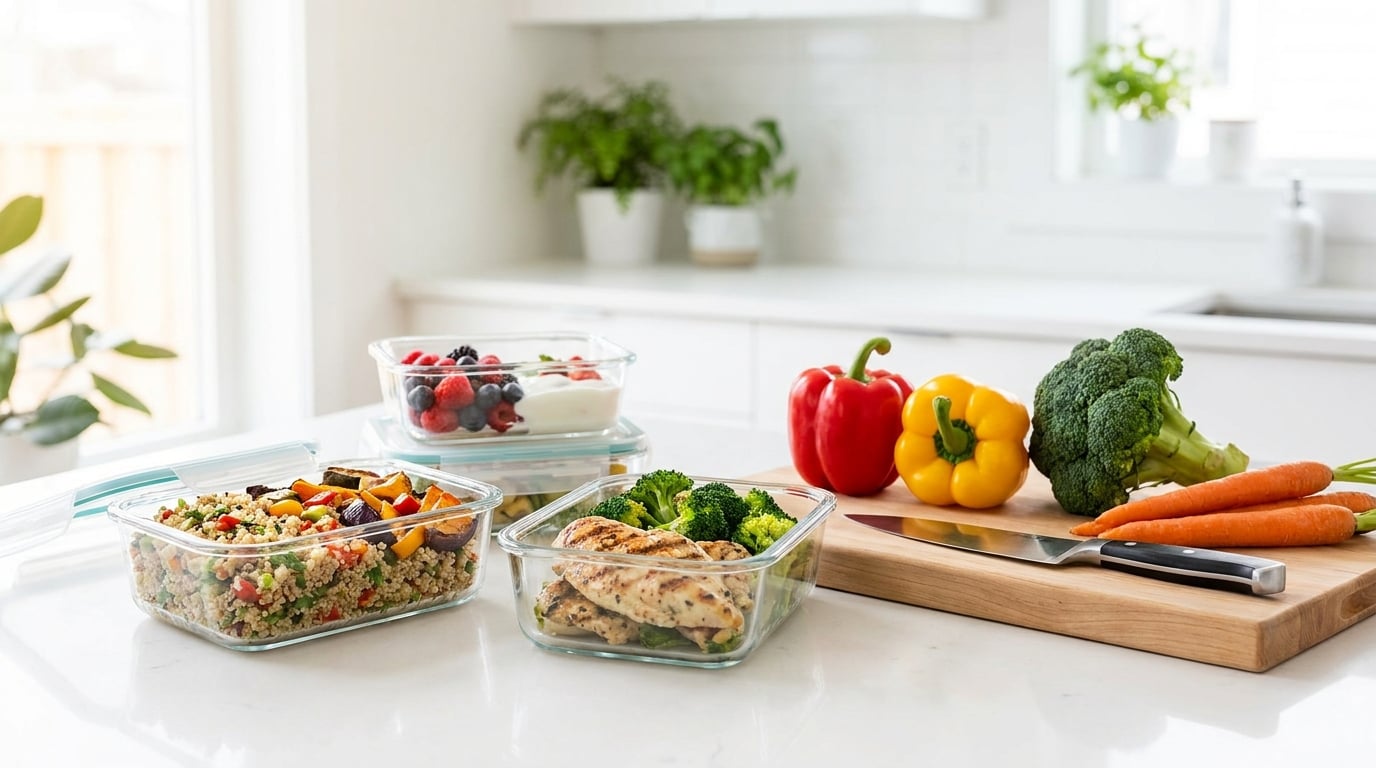
Your packaging serves as the physical ambassador of your brand. The containers you choose must preserve the freshness of your food while presenting it attractively. High-quality containers should be microwave-safe, leak-resistant, and easily stackable in both your transport bags and your clients’ refrigerators.
When selecting your packaging materials, look for options that fulfill these key criteria:
- Airtight seals that prevent sauce leakage and preserve texture during transport
- Durable, food-grade materials that withstand both chilling and microwave reheating
- Clean surfaces for labeling ingredients, allergens, and simple reheating steps
- Uniform shapes and sizes that stack neatly inside insulated coolers and bags
Maintaining proper temperature control is paramount. Cool all cooked meals rapidly before sealing them to prevent condensation, which can make roasted vegetables soggy and dilute flavorful sauces. Invest in commercial-grade insulated transport bags and reusable ice sheets to keep everything safely chilled from your kitchen counter to the customer’s front porch. Group your deliveries into tight geographic zones and assign specific delivery windows so clients know exactly when to bring their food inside.
Attract Subscribers Through Targeted Local Outreach
Building a steady customer base requires connecting directly with the people who benefit most from your meals. Busy working parents, neighborhood gym members, and corporate professionals often jump at the chance to outsource their weekday nutrition. Consider offering sample tasting boxes to local community leaders, fitness coaches, or neighborhood groups to generate word-of-mouth enthusiasm.
In addition to grassroots community networking, creating a simple, user-friendly digital presence makes it effortless for new clients to discover your menu and place weekly orders. Clear photos of freshly plated meals, transparent ingredient breakdowns, and straightforward ordering deadlines eliminate hesitation for first-time visitors.

Growing a sustainable client roster also depends on understanding your local market dynamics and promotional strategies. Tapping into marketing intelligence resources like IT Marketing Boot Camp can help you refine promotional outreach, analyze customer engagement, and build dependable client acquisition campaigns that keep your weekly ordering schedule full.
Evaluate Weekly Meal Subscriptions Against Event Services
As your meal prep brand gains traction, you may find yourself receiving requests for private dinner parties, office luncheons, or celebratory gatherings. While both meal prep and catering rely on exceptional culinary skill, their business models differ substantially. Weekly meal prep provides predictable schedules, standardized batch cooking, and recurring revenue from loyal subscribers.
In contrast, catering involves bespoke menus, on-site service logistics, event rentals, and variable weekend workloads. If you discover that your culinary passions align more closely with customized party menus and live event hospitality, learning the fundamentals of launching a boutique catering business will help you decide whether individual meal drops or full-scale event catering best matches your strengths.
Maintain Long-Term Subscriber Loyalty and Consistent Quality
Retaining existing subscribers is far more efficient than constantly searching for new ones. Establish a regular feedback loop by asking clients which meals they loved and which recipes could use slight adjustments. Listening attentively to constructive customer feedback builds trust and turns casual buyers into enthusiastic brand champions who recommend your service to friends and colleagues.
Incorporate seasonal produce to refresh your offerings through the changing seasons. Featuring crisp asparagus and fresh herbs in the spring, or hearty root vegetables and warm spices in the colder months, keeps your rotating menu exciting. Simple personal touches, such as handwritten thank-you notes inside delivery bags or occasional complimentary treats, make your clients feel truly valued.
Starting a local meal prep delivery venture allows you to share your culinary creativity while solving a genuine need in your community. By focusing on smart menu design, rigorous kitchen systems, dependable delivery logistics, and genuine hospitality, you can build a meaningful food enterprise that nourishes both your neighborhood and your culinary ambitions.