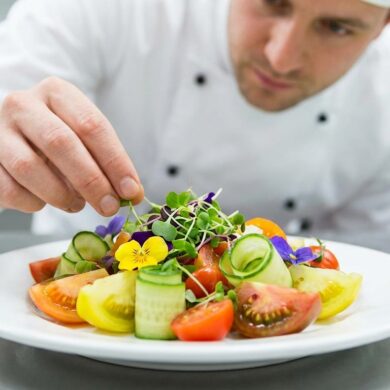
Every great culinary venture begins with a spark of kitchen creativity. Perhaps you perfected a family sourdough formula, formulated a distinctive small-batch chili oil, or created custom celebration pastries that friends and neighbors constantly request. Cooking delicious food is the heartbeat of any food venture, but introducing your culinary creations to a wider community requires another essential element: a thoughtful, memorable digital presence.
When people discover a new food maker on the web, they look for more than a simple menu. Food lovers want to understand the care behind the ingredients, the inspiration driving the menu, and the culinary philosophy that sets the kitchen apart. Establishing a clear digital brand allows passionate cooks to turn casual visitors into loyal regulars who eagerly await every fresh release or seasonal menu update.
Moving from informal home cooking to a recognized food brand does not require complicated design jargon or expensive agency contracts. Instead, it relies on authenticity, visual clarity, and steady communication. By translating your kitchen passion into an organized online identity, you make it easy for hungry readers to connect with your story and savor what you create.
Clarifying Your Culinary Voice and Visual Identity
Your brand identity is the personality of your food brought to life through visuals and words. Before you create web pages or print labels, spend time identifying the emotional mood of your cooking. Is your culinary style rustic, earthy, and rooted in traditional farm flavors, or is it vibrant, playful, and modern? The answer dictates your photography lighting, your typography, and even the colors on your packaging.
Visual consistency is particularly critical because people eat with their eyes first. When browsing online, a cohesive aesthetic helps potential customers immediately recognize your work across social channels, web galleries, and physical product packaging. For creators seeking design inspiration and fresh perspectives on modern identity trends, visiting lcb-brand.com provides valuable creative direction on packaging concepts, color coordination, and polished commercial presentation.
Once you settle on a visual direction, choose a modest color palette and two complementary fonts. Use one clean font for headings and an easily readable font for ingredient lists and descriptions. Stick to these visual choices across every image you post and every document you share. This quiet repetition builds quiet confidence and signals that the same meticulous care found in your cooking extends to every part of your venture.
Translating Flavors into Compelling Digital Content
One of the greatest challenges for food makers on the web is conveying taste, texture, and aroma through a screen. Since visitors cannot sample your freshly baked bread or inhale the fragrance of a simmering reduction, your words and imagery must do the heavy lifting. Evocative language should be grounded in genuine kitchen observation rather than exaggerated sales pitches.
Describe the gentle crackle of a caramelized crust, the brightness of freshly grated citrus zest, or the slow warmth of toasted spices. Share short stories about why you source specific heritage grains or how an afternoon at the regional farmers market inspired a weekly special. These concrete details invite food enthusiasts into your kitchen and build a deeper appreciation for the craft behind every batch.
Documenting your process is equally valuable. Behind-the-scenes snapshots of rising dough, simmering stocks, or neatly tied packages show real culinary dedication. If you are refining your production workflow or preparing packaged goods for local distribution, our comprehensive resource on how to create and sell artisan food products details foundational steps for recipe scaling, packaging choices, and kitchen organization.
Designing a Functional and Welcoming Digital Storefront
A beautiful aesthetic means very little if customers struggle to understand how to order or pick up your food. Your primary digital space should be clean, functional, and organized around the diner experience. Make your operational hours, delivery radii, pickup locations, and ordering windows immediately obvious on your main page.
Navigation should remain simple. Group your offerings into logical categories such as breakfast staples, pantry goods, or seasonal desserts. Each item should feature an accurate photograph, clear allergen notices, and concise storage or reheating recommendations. Providing this helpful information upfront reduces customer hesitation and shows thoughtful hospitality before the first bite is even taken.
Navigating the practical setup of an online enterprise can feel intimidating when your main passion is spending time over the stove. For independent culinary entrepreneurs seeking clear guidance on digital operations, platforms, and sustainable online growth, exploring Go And Grow Online offers practical encouragement and strategic advice for building a robust web presence.
Establishing Everyday Consistency Across Touchpoints
Branding is not a one-time project that ends once your website launches. It is an ongoing rhythm of hospitality delivered through every interaction. From the friendly tone of an email order confirmation to the neat handwritten label on a bakery box, each touchpoint reinforces what your kitchen stands for.

Maintaining a dependable schedule also helps build customer loyalty. Food lovers appreciate knowing exactly when your weekly ordering menu opens, when seasonal restocks happen, and when deliveries take place. When customers know what to expect and experience the same warmth in every message, their confidence in your kitchen naturally deepens.
To keep your culinary brand focused as your customer base expands, keep these core practical practices in mind:
- Maintain a consistent visual color palette across your packaging, social media photos, and website banners.
- Capture all ingredient and dish photos under clear, diffused natural daylight to show authentic colors.
- Write descriptions that highlight primary tasting notes, textures, and thoughtful ingredient sourcing.
- Publish straightforward pickup, delivery, and allergen guidelines prominently on your ordering pages.
- Respond promptly and politely to community questions regarding preparation methods and dietary needs.
Nurturing Long-Term Trust Through Kitchen Transparency
In today’s food culture, eaters care deeply about where their food comes from and how it is prepared. Openness regarding your culinary practices builds authentic loyalty that flashy marketing can never duplicate. Share your passion for regional produce, explain your dedication to slow fermentation, and celebrate the small farms and suppliers who provide your raw ingredients.
Transparency also means handling occasional kitchen hiccups with grace. If an oven malfunction delays an afternoon pickup or a crop failure temporarily removes a beloved ingredient from your menu, communicate early and candidly with your supporters. Customers respect honest communication and appreciate makers who prioritize quality over rushed shortcuts.
Building a digital brand for your food venture is ultimately an extension of hospitality. When you treat your online spaces with the same care, generosity, and respect for ingredients that you bring to your cutting board, your audience feels it immediately. By grounding your digital identity in genuine passion and steady service, you create a lasting culinary brand that feeds both the community and your creative spirit.