Cooking delicious and wholesome meals every evening can feel like an impossible puzzle when professional responsibilities and family life pull in opposite directions. Many food lovers discover that the freeform, relaxed culinary sessions they once enjoyed become challenging after long shifts at the office and busy schedules at home. Between managing deadlines and caring for children, dinnertime often turns into a rushed obligation rather than a moment of shared connection.
The secret to reclaiming the joy of cooking during a demanding workweek does not require culinary school training or complicated gadgets. Instead, it begins with an intentional shift in perspective. By viewing dinner through the lens of prep systems, component cooking, and adaptable ingredients, working parents can create fresh, flavorful dishes without spending every evening over a hot stove.
Treating Your Home Kitchen Like an Organized Workplace
Professional kitchens run smoothly because every cook understands workflow, station preparation, and repeatable processes. When you spend all day managing projects, solving workplace dilemmas, and meeting team deadlines, bringing some of those organizational habits into your domestic kitchen can dramatically cut down on cognitive fatigue. You do not need industrial equipment to borrow the productivity systems that career-driven professionals use every day.
Thinking about dinner preparation as an efficient daily routine rather than an artistic performance removes unnecessary friction. Many professionals who study time management principles from career resources like jobmarketeconomist.com already understand that batching related duties reduces mental friction and boosts day-to-day focus. Translating that concept to cooking means chopping onions, washing greens, and roasting basic grains during one dedicated window rather than repeating those mundane steps every single evening after a tiring commute.
Setting up a clean work area before turning on any heat source also keeps your evening cooking calm. When your cutting board is stable, knives are sharp, and scraps have a designated bowl, preparing a complete meal takes less time and creates far less clutter. You finish your tasks quicker, clean as you go, and sit down at the table with mental clarity rather than kitchen chaos.
Designing One Menu for Both Adults and Young Children
A common trap for working parents is falling into the short-order cook routine, where one meal is assembled for adults and a separate set of processed foods is warmed up for toddlers or infants. This habit doubles your cleanup, stretches your evening thin, and creates unnecessary stress. A much better approach is deconstructed component cooking, where every family member eats from the same core set of nutritious ingredients tailored to their developmental needs.
For instance, a pot of gently stewed chicken thighs, sweet potatoes, and steamed green beans provides the foundation for an elegant meal as well as a toddler dinner. Parents seeking practical ideas for managing infant nourishment and reducing the daily strains of parenthood can discover useful parenting tips at simplesavingsforatlmoms.com to make the journey smoother. By reserving a portion of steamed vegetables and soft root crops before seasoning them with assertive spices, you can quickly mash or puree wholesome food for younger children without buying special store-bought containers.
Adapting food textures rather than changing the entire menu fosters healthy eating habits from an early age. When young children see that their plates share the same colors and components as the adults, they grow more comfortable with whole foods. Meanwhile, you only cook one primary meal, saving time, reducing grocery waste, and creating an inclusive family atmosphere at the table.
Core Ingredients to Keep Stocked for Quick Assembly
A well-structured pantry and refrigerator make weeknight cooking an exercise in assembly rather than an exhausting start-from-scratch endeavor. When you arrive home with limited energy, having prepped components on hand ensures that a satisfying plate is only moments away. Rather than storing finished casseroles that taste tired by midweek, focus on building blocks that can be mixed and matched in multiple creative directions.
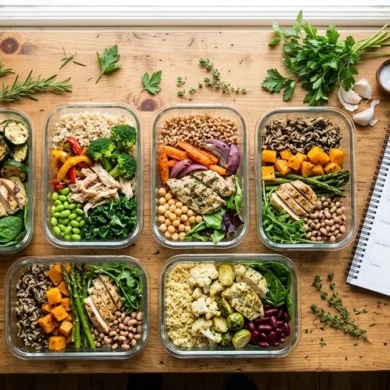
Keeping several versatile foundations prepared in airtight containers allows you to adapt to whatever flavors your family craves on any given night:
- Pre-cooked whole grains such as brown rice, quinoa, or farro that reheat quickly in a skillet.
- Roasted root vegetables seasoned simply with olive oil and salt so they pair with diverse sauces.
- A batch of shredded slow-cooked poultry or braised beans that work in tacos, grain bowls, or soups.
- Washed and thoroughly dried hearty greens that stay crisp throughout the workweek.
- A jar of balanced vinaigrette or herb-packed sauce to tie simple ingredients together instantly.
With these elements ready, dinner becomes an intuitive process. One night, the grains and greens become the base for a Mediterranean bowl topped with shredded chicken, olives, and feta cheese. The next evening, the very same chicken and roasted vegetables can be tossed with warmed noodles and a quick sesame sauce. You preserve variety without reinventing the wheel each night.
Developing Flavor While Keeping Dishes Approachable
One fear many food enthusiasts share is that cooking for a family with young children means resigning themselves to bland, uninspired meals. That assumption is simply untrue. You can keep the baseline dish mild and comforting while building layers of complex flavor at the table through finishing condiments, fresh herbs, citrus, and toasted nuts.
Seasoning at the finish line allows everyone to customize their dinner to their individual comfort level. If you want to refine your personal techniques and introduce subtle new dimensions of taste to your cooking, taking steps to train your palate for adventurous cooking will help you understand how acid, salt, and heat interact. A simple squeeze of fresh lime juice, a spoonful of chili crisp, or a sprinkle of flaky sea salt can instantly transform a mild family dish into a restaurant-worthy experience for the adults.


Introducing novel flavors gradually also encourages children to expand their tastes naturally. Offering a dipping sauce on the side or letting an older child sprinkle toasted seeds on their bowl gives them ownership over their plate. Over time, the boundary between kid food and adult food disappears, making family mealtime an adventurous shared ritual rather than a battle of wills.
Establishing a Sustainable Weekend Prep Routine
The most effective meal preparation routine is the one you can sustain through busy quarters, school projects, and unexpected life demands. Spending an entire weekend afternoon chained to the stove often leads to burnout and abandoned plans. A far better strategy is to integrate small, manageable tasks into your regular weekend downtime.
Dedicate an hour or two on a Sunday afternoon to basic prep work while listening to music or chatting with family. Focus on tasks that create high culinary leverage: roasting a couple sheet pans of seasonal vegetables, simmering a versatile pot of legumes or broth, and blending a flavorful dressing. Leave the delicate proteins and fast-cooking items for the night you plan to eat them, ensuring that your meals retain crispness, texture, and vibrant appeal.
Remember that proper storage techniques protect all your hard work. Allow cooked ingredients to cool completely before sealing them in clear glass containers, which makes items visible and less likely to be forgotten behind condiments. Labeling containers with the day they were prepped keeps your refrigerator organized and helps other family members pitch in when dinner assembly begins.
Cooking nourishing, flavorful meals for your family does not have to compete with your career or drain your limited free hours. By organizing your kitchen with clear workflows, preparing flexible base components, and seasoning dishes thoughtfully at the table, you create a calm dinnertime rhythm that feeds everyone well.
Approach your kitchen with patience and realistic expectations. When you view meal planning as a supportive framework rather than a rigid chore, cooking becomes what it was always meant to be: a source of restorative comfort and genuine connection at the end of a busy day.