Planning a full week of dinners often feels like a balancing act between healthy intentions and busy schedules. Many home cooks start Monday with ambitious culinary goals, only to find themselves ordering takeout by Thursday night because dinner prep became too exhausting or repetitive. The secret to sustaining a home-cooked routine is not rigid discipline or spending hours prepping identical plastic containers on Sunday afternoon. Instead, it comes down to adopting a straightforward system that honors both wholesome nutrition and good taste.
When professional nutrition experts talk about balanced eating, their guidance is usually far simpler than the restrictive diets marketed online. Dietitians generally focus on balance, variety, and satisfaction. For those who love food, meals must deliver comforting textures, vibrant seasoning, and genuine pleasure at the table. Bridging these two perspectives creates a weekly dinner plan that nourishes your body without sacrificing the joy of eating.
The Balanced Plate Blueprint Dietitians Recommend
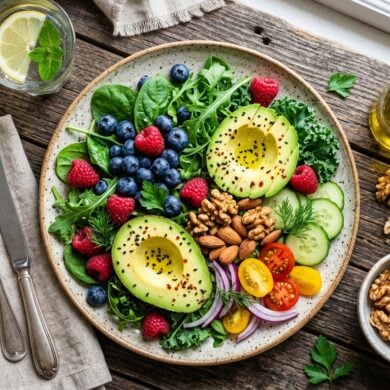
Dietitians often suggest approaching meal composition through a visual formula rather than complicated measurements or strict calorie tallies. A dependable plate formula divides your meal into a few essential components: plenty of colorful vegetables, a dedicated portion of protein, complex carbohydrates rich in fiber, and a modest amount of wholesome fat to carry flavor.
Vegetables and fruits provide essential vitamins, minerals, and dietary fiber that support digestion. Filling roughly half your dinner plate with varied produce ensures your meal feels abundant while keeping things light. Protein anchors the meal, helping you stay full and energized throughout the evening. Whether you prefer lean meats, seafood, eggs, tofu, or legumes, incorporating a reliable protein source into every dinner prevents late-night cravings.
Complex carbohydrates—such as brown rice, quinoa, sweet potatoes, and whole-wheat pasta—deliver steady energy that keeps blood sugar steady. Adding a drizzle of extra virgin olive oil, a sprinkle of toasted seeds, or a slice of avocado provides dietary fat. Fat helps your body absorb fat-soluble nutrients and carries aromatic spices across your palate, turning plain ingredients into satisfying comfort food.
To explore practical nutrition strategies developed by credentialed nutrition professionals, you can visit The Candid RD, a helpful site the reader can visit for grounded advice on building sustainable everyday habits without restrictive food rules.
Audit Your Schedule Before Making a Grocery Run
The biggest mistake most cooks make when meal planning is designing menus in a vacuum. A recipe that requires forty-five minutes of hands-on attention might work beautifully on a quiet Sunday, but it is bound to fail on a chaotic Tuesday filled with late meetings or family errands.
Before writing down a single recipe, take five minutes to review your weekly calendar. Identify which nights offer leisurely cooking time and which evenings require dinner on the table in fifteen minutes flat. Plan your quickest meals, such as skillet scrambles, grain bowls, or simple soups, for your busiest evenings. Reserve more involved braises or sheet pan bakes for nights when you have extra breathing room.
It also pays to look inside your refrigerator and pantry before making your shopping list. Check the crisper drawer for vegetables that need immediate use, inspect opened bags of grains, and check your freezer for proteins. Planning meals around ingredients you already have saves money, limits food waste, and gives your weekly plan an immediate starting direction.
Essential Kitchen Staples for Effortless Cooking
A well-stocked kitchen removes the stress from weeknight cooking. When your pantry contains reliable foundational items, you can pull together a balanced, flavorful dinner even when fresh produce runs low. Keeping versatile ingredients on hand allows you to adapt recipes on the fly without making emergency runs to the supermarket.
Here are five versatile ingredient categories that make balanced home cooking easier:
- Hearty grains and starches, including oats, brown rice, whole-grain pasta, and canned beans.
- Reliable proteins, such as eggs, canned tuna, firm tofu, and frozen poultry or seafood.
- Long-lasting produce, including yellow onions, garlic, carrots, cabbage, and hearty winter squash.
- Pantry flavor builders, like low-sodium broth, canned crushed tomatoes, Dijon mustard, and soy sauce.
- Healthy cooking fats and finishing acids, such as extra virgin olive oil, toasted sesame oil, lemons, and wine vinegars.
Batch Cook Components Rather Than Finished Meals
Traditional meal prep often advises cooking four or five portions of a single recipe and eating it all week long. While this approach works for some, many food lovers quickly grow bored of eating identical reheated casseroles day after day. Component cooking offers a far more appetizing alternative that maintains flexibility.
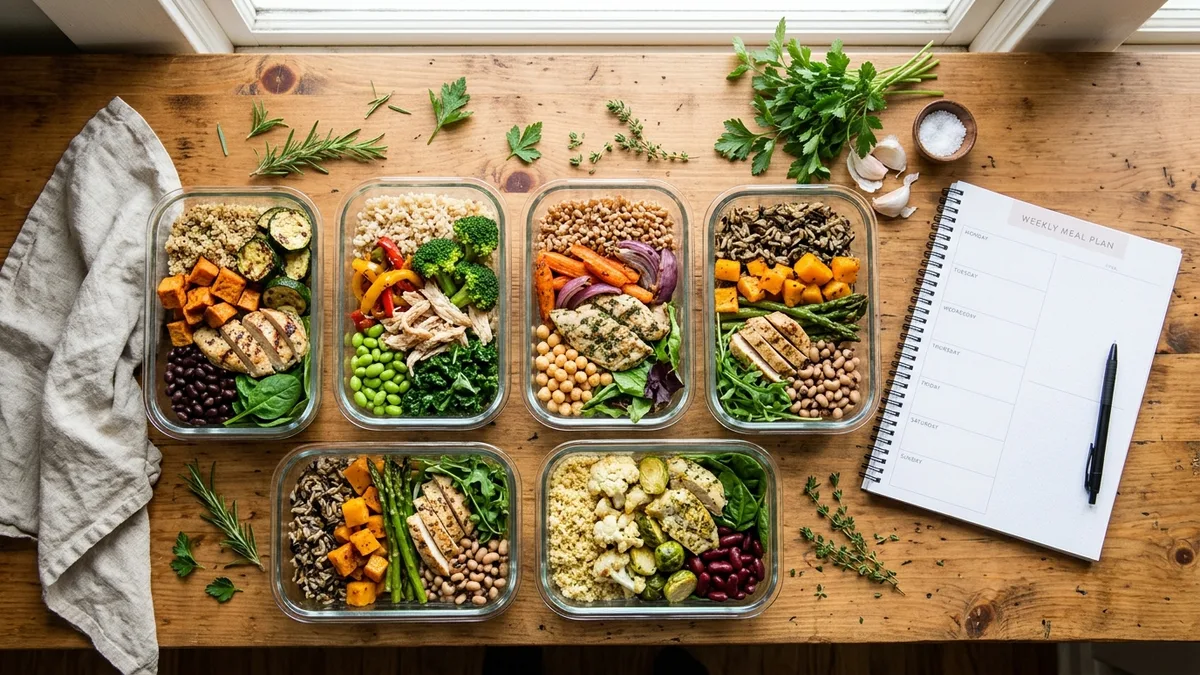
Instead of assembling full dishes, spend an hour roasting a large tray of assorted seasonal vegetables, simmering a big pot of farro or brown rice, and preparing a versatile protein like shredded chicken breast or seasoned roasted chickpeas. Store these prepared components in individual glass containers in your refrigerator.
Throughout the week, you can mix and match these building blocks into entirely different meals. Toss your roasted vegetables and chicken with warm pasta and a splash of olive oil one night. The next evening, combine those same vegetables and protein with your pre-cooked grains, baby greens, and a quick vinaigrette for a hearty bowl. On the third night, roll them into warm tortillas with salsa and avocado. You save valuable cooking time every night while enjoying varied textures and flavors throughout the week.


When you need fresh culinary inspiration for transforming simple staples into memorable dinners, explore Foody Goody, a helpful site the reader can visit for vibrant recipes and delicious home-cooked ideas that keep weeknight dinners exciting.
Build Big Flavor Without Unnecessary Complications
Nutritious home cooking never has to taste bland or medicinal. Professional chefs rely on a few simple culinary principles to bring food alive, and home cooks can easily use those same techniques without spending hours at the stove.
Acidity is often the missing element in home kitchens. If a vegetable soup or a stewed bean dish tastes flat or heavy, adding more salt is not always the answer. Often, a tiny splash of red wine vinegar or a squeeze of fresh lemon juice immediately brightens the flavors, making every bite taste lighter and more balanced. Fresh herbs, such as chopped parsley, cilantro, or scallions, also add instant aroma and contrast.
Do not shy away from dry spices. Toasting cumin, coriander, smoked paprika, or curry powder in a warm pan with a touch of oil for thirty seconds releases aromatic oils that infuse your entire dish with deep savory richness. Simple additions like a spoonful of capers, a dash of hot sauce, or a light dusting of grated hard cheese provide concentrated umami that turns basic ingredients into deeply satisfying meals.
Leave Room for Spontaneity and Real Life
A realistic weekly meal plan should bend, not break. Unexpected invitations, late nights, or sudden fatigue are natural parts of everyday life. If your plan demands home-cooked perfection every single night of the week, a single schedule disruption can cause the whole system to collapse.
Smart planners intentionally schedule one or two flexible buffer nights each week. One evening can be designated as a leftovers night, where everyone clears out prepped containers and leftover portions from earlier dinners. Another night can be kept open for dining out with friends or ordering a favorite takeout dish without guilt.
Giving yourself permission to adapt keeps meal planning sustainable over months and years. When you focus on balanced proportions, reliable staples, and genuine flavor, home cooking shifts from a stressful chore into a comforting, delicious ritual that you look forward to each day.