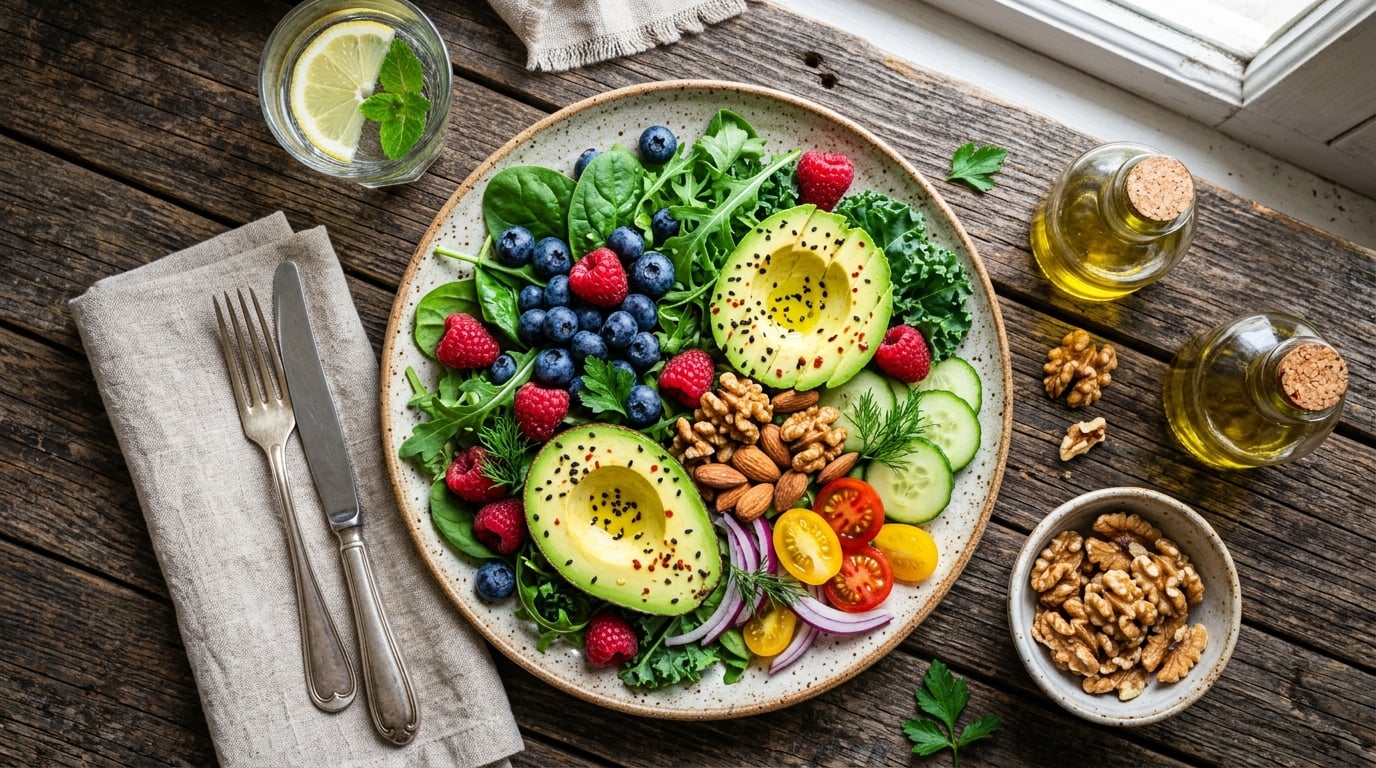
Healthy eating is one of the most effective ways to improve your physical health, boost energy levels, and reduce the risk of chronic diseases. While many people focus on restrictive diets or short-term nutrition trends, lasting wellness comes from building simple, sustainable eating habits. Making mindful food choices every day can positively impact your digestion, immune system, mental well-being, and overall quality of life.
The good news is that healthy eating doesn’t require drastic changes. Small improvements to your daily routine can produce significant long-term benefits. Here are ten healthy eating habits that can help you feel your best.
1. Start Your Day with a Nutritious Breakfast
A balanced breakfast provides your body with the energy it needs after an overnight fast. Including protein, whole grains, and fruit can help maintain stable blood sugar levels and keep you full until your next meal.
Healthy breakfast options include:
- Oatmeal with fresh berries
- Greek yogurt with nuts
- Whole-grain toast with eggs
- Smoothies made with fruits and vegetables
Skipping breakfast may lead to overeating later in the day, so it’s beneficial to begin your morning with a nourishing meal.
2. Eat More Fruits and Vegetables
Fruits and vegetables are rich in vitamins, minerals, fiber, and antioxidants that support overall health. They help strengthen the immune system, improve digestion, and protect the body from oxidative stress.
Aim to include a variety of colorful produce in your meals to ensure you receive a wide range of nutrients.
3. Stay Hydrated Throughout the Day
Proper hydration supports nearly every function in the body, including digestion, circulation, and temperature regulation. Drinking enough water also helps maintain healthy skin and supports mental focus.
Replace sugary beverages with water whenever possible, and increase your fluid intake during hot weather or physical activity.
4. Choose Whole Grains
Whole grains contain more fiber and nutrients than refined grains. They support heart health, improve digestion, and provide long-lasting energy.
Healthy whole-grain choices include:
- Brown rice
- Whole-wheat bread
- Oats
- Quinoa
- Barley
Adding whole grains to your meals can help you stay satisfied for longer periods.
5. Include Lean Protein in Every Meal
Protein plays an important role in building muscles, repairing tissues, and supporting a healthy immune system.
Good protein sources include:
- Fish
- Skinless poultry
- Beans
- Lentils
- Eggs
- Low-fat dairy
Balancing protein with vegetables and whole grains creates nutritious, satisfying meals.
6. Limit Processed Foods
Highly processed foods often contain excessive amounts of sugar, sodium, and unhealthy fats. While they may be convenient, regularly consuming them can increase the risk of obesity, heart disease, and type 2 diabetes.
Preparing fresh meals at home allows you to control ingredients and make healthier choices.
7. Practice Portion Control
Even healthy foods should be eaten in appropriate portions. Paying attention to serving sizes helps prevent overeating while supporting healthy weight management.

Eating slowly and listening to your body’s hunger signals can make portion control easier.
8. Learn More About Healthy Living
Understanding nutrition and healthy lifestyle concepts helps you make informed food choices. Learning about wellness topics empowers you to build habits that support long-term health.
Resources like https://fullformguide.com/ provide explanations of commonly used terms and abbreviations across various subjects, making it easier to understand health and lifestyle information.
9. Reduce Added Sugar
Many packaged foods and beverages contain hidden sugars that contribute to excess calorie intake without providing nutritional value.
To reduce added sugar:
- Read nutrition labels carefully
- Choose unsweetened beverages
- Limit sugary desserts
- Eat fresh fruit instead of candy
Small reductions in sugar consumption can significantly improve overall health.
10. Maintain Consistent Healthy Habits
Healthy eating is most effective when practiced consistently rather than occasionally. Building sustainable habits allows you to enjoy nutritious foods without feeling restricted.
For additional tips on healthy living, wellness, and daily lifestyle improvements, visit https://fullformguide.com/lifestyle/. Exploring practical lifestyle advice can help you develop routines that support both physical and mental well-being.
Conclusion
Healthy eating is not about following strict diets or eliminating your favorite foods. Instead, it’s about making balanced, nutritious choices that support your body’s long-term needs. By eating more fruits and vegetables, choosing whole grains, staying hydrated, limiting processed foods, and practicing portion control, you can improve your overall well-being and reduce the risk of many chronic health conditions. Small daily habits often lead to the biggest health improvements, making consistency the key to lasting wellness.