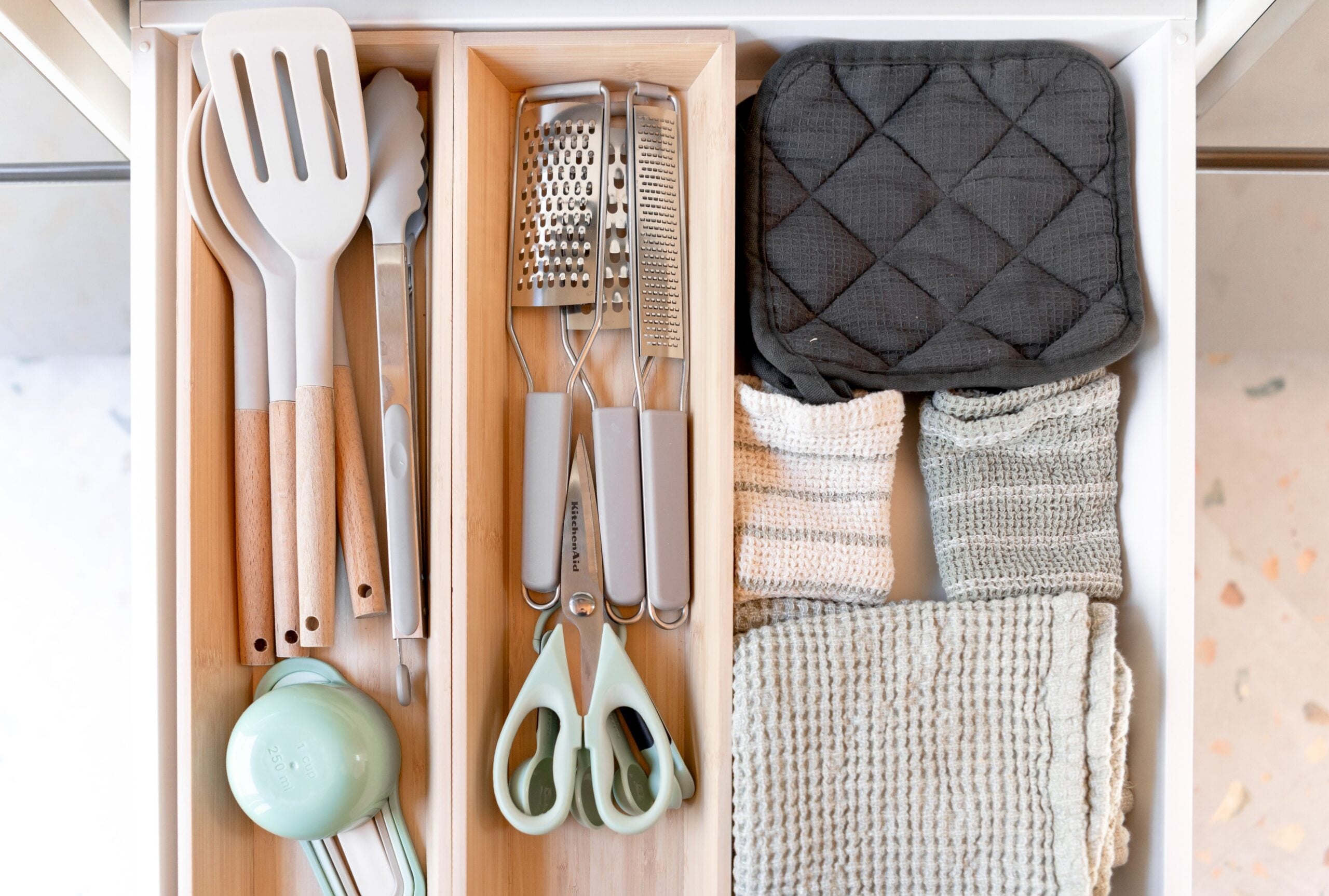

Kitchen gadgets keep winning at retail because the best ones solve a small, obvious, repeatable annoyance that a shopper recognizes in about three seconds. A tool that pits cherries, a lid that seals a half-used can, a peeler that fits a left hand as well as a right one: the value is legible on the packaging, the price is low enough to be an impulse buy, and the buyer already owns the problem. That combination is why kitchenware remains one of the friendliest categories for independent inventors, and why the same pattern repeats year after year.
The pattern behind the winners
Look at the gadgets that earn permanent shelf space and a shared shape appears. They address a single job. They demonstrate their benefit without a manual. They cost little to make and sell for a modest but healthy margin. And they fit an existing routine rather than asking the cook to learn a new one.
Contrast that with kitchen products that stall. Multi-function tools that try to do six jobs usually do none of them well, and shoppers sense it. Gadgets that need a page of instructions lose the impulse buyer. Items that duplicate something already in the drawer rarely earn a second look. The winners are narrow, and their narrowness is the point.
Why the category refreshes constantly
Kitchens are personal and habitual, so buyers keep looking for the version that fits their hands, their space, and their cooking. Retail buyers know this, which is why the housewares aisle turns over faster than most hard-goods categories. A steady appetite for the next small improvement keeps the door open to outside ideas, and it means a modest invention with a clear job can find a licensee or a private-label buyer without needing to reinvent the whole drawer.
Protection still matters, even for simple products
A common mistake is assuming a simple gadget is too small to protect. The opposite is often true, because simple products are easy to copy. The United States Patent and Trademark Office grants two kinds of protection that matter here. A utility patent covers how a thing works, and a design patent covers how it looks. For a distinctive kitchen tool, the appearance can be as commercially valuable as the mechanism, and design patents are frequently the faster, cheaper route to a defensible position. The USPTO patent basics guide lays out the difference in plain terms, and it is worth reading before a first filing.
The USPTO grants more than 300,000 utility patents in a typical year, according to its own annual statistics, alongside tens of thousands of design patents. A single kitchen gadget competes for attention in that flood, so the inventor who documents the idea early and checks whether it already exists starts from a stronger footing than the one who files blind.
Search before you spend
Before paying for design work or tooling, a prior-art search answers the cheapest important question: has someone already done this? The USPTO search tools are public and free, and a focused review of existing patents in the housewares classes can save an inventor months. Product development firms fold this step in early for the same reason. Enhance Innovations, an invention design firm in Champlin, Minnesota that has worked with inventors since 2010, treats a patent search as the low-friction first paid step precisely because it decides whether the rest of the spending is justified.
From idea to shelf
Turning a kitchen concept into a retail product usually runs through a few stages: confirm the idea is new, define the design so it is manufacturable, produce visuals that let a buyer or licensee see it, and then either license the concept to a housewares company or arrange manufacturing directly. The visuals matter more than many inventors expect. A photorealistic rendering and a short animation now do work that a hand-built model used to do, and companies routinely evaluate kitchen products from renderings and computer-aided design files rather than physical samples.


That shift favors the independent inventor. It lowers the cost of getting to a credible pitch, and it means the person with a good, narrow idea for the kitchen does not need a machine shop to be taken seriously. What they need is a clear problem, a clean design, and evidence the idea is theirs to license.
The small-business backdrop
Housewares is a fragmented market with room for small players, which is part of why it stays inventor-friendly. The U.S. Small Business Administration publishes resources for product businesses at its business guide, from early planning to funding, and independent kitchen-product makers are a familiar case study in that world. The category rewards focus over scale, and focus is something one person with the right idea can bring.
The takeaway
Kitchen gadgets keep winning because the format rewards exactly what an independent inventor can produce: a single clear improvement to a task people repeat every day. The pattern is not luck. It is the predictable result of a legible benefit, a low price, an existing habit, and protection that fits the product. Inventors who study the winners, confirm their idea is new, and invest in visuals that let a buyer see the product tend to get a fair hearing in one of retail’s most open aisles.