

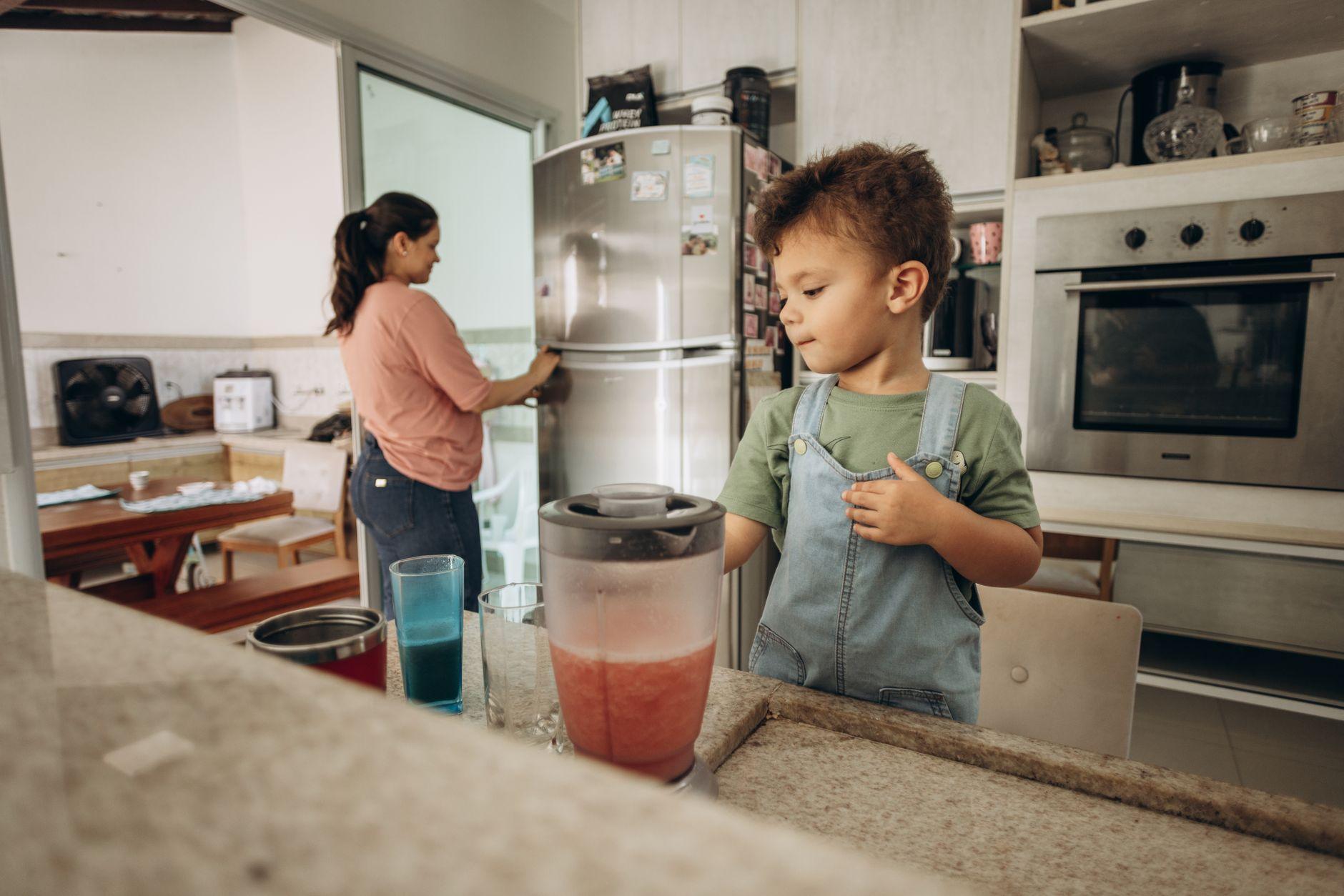
Every parent knows the after-school moment when the fridge door opens and someone announces they are starving. Having a few reliable options ready makes those minutes much calmer. Yogurt is one of the easiest foods to keep on hand, since it needs no cooking, comes in many formats and fits into breakfast, lunch or an afternoon break. This guide looks at why it deserves a permanent spot on the shelf, how to choose the right format and how to make it part of everyday family routines.
A Practical Staple for Busy Parents
Most families look for foods that are quick, familiar and easy to serve without a cutting board. That is where yogurt for kids earns its spot, since a single portion is ready the moment you open the fridge. It works at breakfast, in a lunchbox or as an afternoon snack between school and supper. Parents also like that it can be served on its own or alongside fruit, crackers or a muffin. Less planning on weekday mornings leaves more time for everything else.
Formats That Fit Every Routine
Yogurt now comes in far more shapes than the classic spoonable cup. Small cups suit younger children who are learning to use a spoon, while tubes and bottles of drinkable yogurt work well in the car or at the park. Larger tubs are practical for family breakfasts, since everyone can serve their own amount. Keeping two formats in the fridge, one spoonable and one drinkable, covers most situations during a busy week. It also reduces the number of last-minute trips to the corner store.
Fitting Yogurt Into a Balanced Diet
Yogurt is a nutritious food that can be part of a balanced diet for the whole family. It pairs easily with other food groups, such as whole grain cereal at breakfast or sliced fruit in the afternoon. Many parents think in terms of variety across the day. A cup of yogurt next to a sandwich and some vegetables makes a simple, well-rounded lunch. If you have questions about your child’s specific needs, a family doctor or registered dietitian is the right person to ask.
Reading the Label With Confidence
A quick look at the Nutrition Facts table helps you compare products in the dairy aisle. Check the serving size first, since portions vary between cups, tubes and bottles. Then compare the sugar content per portion, the protein and the calcium, which appear as grams or as a percentage of the daily value. The ingredient list tells you about flavours and colours. Many parents look for products that list no artificial colours and flavours. Over time, you learn which products suit your family.
Some children have a milk allergy or lactose intolerance. If that is the case in your family, check with a health professional before introducing a new product. Lactose free yogurts and plant-based alternatives are widely available in Canadian grocery stores if your family needs them. When packing lunches for school or daycare, read the institution’s allergy policy, since some classrooms restrict certain ingredients. A short note in the lunchbox helps teachers know what your child is eating.
Yogurt travels well when you plan a little. Pair a cup or a bottle with an ice pack in an insulated lunch bag so it stays cold until lunchtime. Store the bag in the school fridge when one is available, and send it home empty at the end of the day. Pack a spoon when needed, along with a napkin for small spills. Rotating flavours through the week keeps lunches from feeling repetitive without adding any preparation time.
Good storage keeps every portion at its peak. Place yogurt on a middle or lower shelf, where the temperature stays more stable than in the fridge door. Keep the oldest products at the front so they get eaten first, and check the dates printed on the packaging when you unpack groceries. Once a large tub is opened, use a clean spoon each time and close the lid tightly. Leftover cups should never sit on the counter for long, especially in summer.
Family routines work best when everyone feels included. Parents can offer a choice between two flavours at the grocery store or let older children help unpack and organize the yogurt shelf at home. Setting up a small snack zone in the fridge, with yogurt, cut fruit and cheese, helps children learn where to find options on their own. These small habits build independence and take a bit of pressure off parents during the busiest parts of the day.
Keeping yogurt in the family fridge is less about any single meal and more about having a dependable option ready when life gets hectic. It covers breakfasts, lunchboxes, car rides and after-school breaks with almost no effort. It also adapts as children grow, moving from small cups to bigger portions without changing the routine. By choosing formats that fit your schedule, reading labels and storing products well, parents can make grocery runs smoother. A well-stocked shelf will not solve every busy evening, but it makes many of them a little easier.
Fuente de las imágenes:
pexels