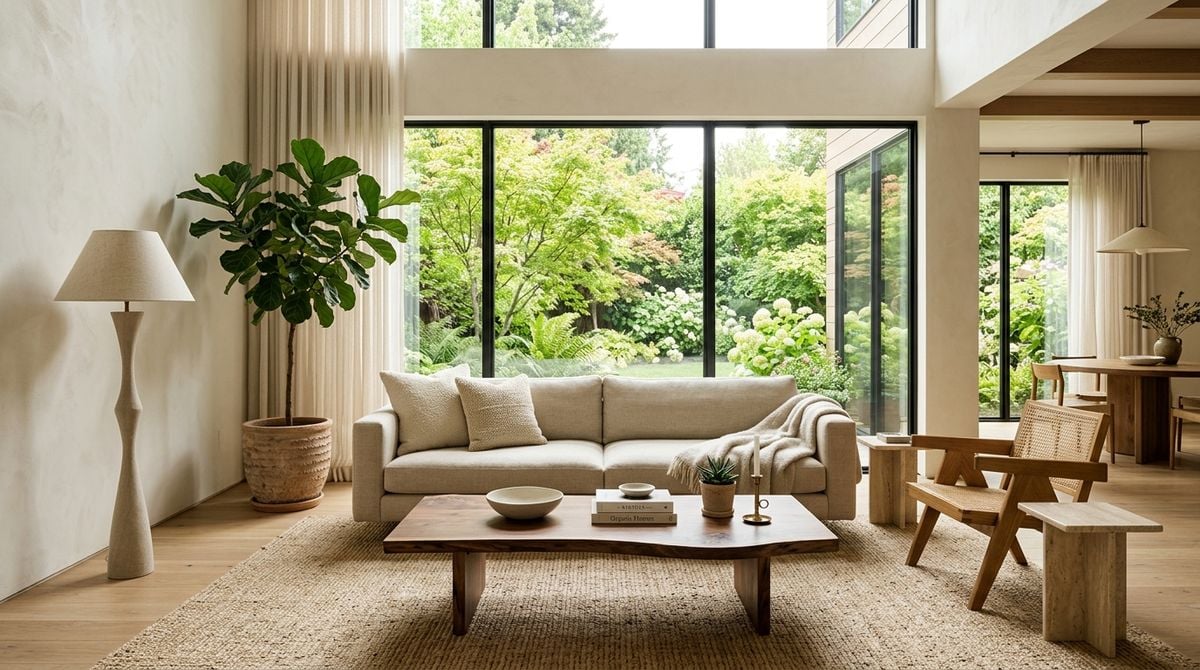
For artisan food makers, boutique bakers, and specialty producers, creating a dedicated tasting room transforms how customers interact with your craft. Inviting guests into a thoughtfully curated space allows them to experience your culinary creations in their best light. A dedicated tasting area builds community connections, encourages word-of-mouth recommendations, and gives your brand a memorable physical home.
Setting up a customer tasting area requires balancing practical operational requirements with comfort and visual appeal. You must accommodate food safety standards, clear foot traffic, and effortless service while maintaining an inviting atmosphere that encourages visitors to stay. By approaching the design methodically, you can create a cohesive space that highlights your culinary offerings without requiring an overwhelming investment.
Map Out Traffic Flow and Spatial Balance
Before purchasing decor or arranging tables, take time to study the natural movement within your physical space. Guests need a clear, intuitive path from the entrance directly toward the tasting counter or host station. If visitors feel disoriented upon entering, the initial delight of sampling your recipes can quickly turn into hesitation. Keep main pathways unobstructed so servers can carry sample trays and guests can browse display shelves comfortably.
Delineating distinct zones within a compact room prevents customer congestion during busy afternoons or private tasting sessions. Establish a clear separation between the ordering counter, seated sampling areas, and display nooks for packaged goods. When you begin organizing your floor plan, exploring practical room layout concepts and home design guides on resources like huizhiseed.com can give you valuable inspiration for balancing circulation paths with welcoming aesthetic zones. Applying sound layout principles ensures that your tasting area feels spacious, organized, and pleasant even when several groups arrive at once.
Pay close attention to the boundary between customer areas and your prep kitchen. Staff members require rapid, safe access to replenish sample platters, restock glassware, and clear dishes without bumping into seated patrons. A low dividing partition, a decorative screen, or a well-placed display case can create an elegant buffer that hides kitchen clutter while preserving an easy workflow for your team.
Select Durable and Comfortable Furnishings
Furniture choices establish the mood of your tasting room while directly influencing guest comfort. Because food and beverages are constantly being served, durability must stand alongside style. Look for solid wood, powder-coated metals, and treated textiles that resist spills and withstand frequent wiping. Uncomfortable seating encourages guests to leave quickly, whereas supportive chairs and comfortable stools invite unhurried exploration of your menu.
Sourcing pieces that look polished while remaining budget-friendly is a priority for any independent food business owner. Rather than spending your entire startup reserve on custom-built tables, you can discover versatile dining tables and accent seating through providers such as newdiscountfurniture.com to achieve a cohesive, high-end atmosphere without overstretching your funds. Choosing coordinated furniture sets provides visual continuity, allowing your colorful dishes, baked pastries, or artisanal beverages to become the natural focal points of the room.
Consider offering a blend of seating heights to accommodate different types of visits. High-top communal tables work wonderfully for quick drop-in tastings, espresso pairings, or casual group chats. Meanwhile, standard-height cafe tables with upholstered side chairs invite longer, guided tastings where guests evaluate multiple course pairings. Versatile arrangements also allow you to reconfigure the room effortlessly for evening workshops, chef demos, or seasonal gatherings.
Keep Sanitation Built Directly into the Aesthetic
A beautiful tasting room must never compromise hygiene standards. In the food world, cleanliness is the cornerstone of customer trust. Select materials that look refined yet handle industrial sanitizers without staining or peeling. Sealed quartz, polished concrete, and marine-varnished hardwood countertops offer sleek surfaces that can be wiped clean between every guest reservation.
Thoughtful infrastructure choices keep your space hygienic behind the scenes as well. Provide touchless hand-washing sinks for staff, discreet receptacles for used napkins, and covered display cloches to shield delicate pastries from open air. Maintaining strict sanitary boundaries between your commercial prep area and your tasting tables will also keep you fully confident when handling your health inspection without stress during routine operational checkups. Cleanliness designed directly into your physical layout protects your reputation and guarantees a safe tasting experience for everyone.
Keep your cleaning supplies organized in dedicated cabinets away from customer sightlines. High-end food experiences can quickly lose their charm if guests spot spray bottles and mop buckets sitting near dining tables. Storing sanitation essentials in closed, labeled storage cupboards ensures that your staff can respond immediately to spills without interrupting the dining ambiance.
Layer Lighting and Sensory Accents
Lighting fundamentally shapes how food appears and how comfortable your guests feel. Harsh fluorescent fixtures can make fresh dishes look unappetizing and give the room an institutional chill. Instead, combine ambient ceiling fixtures, focused pendant lights, and warm accent lamps to create visual warmth and depth throughout the space.
Position warm, focused light directly over display counters and tasting boards so the textures, colors, and garnishes of your food pop. Natural light from clean windows creates an uplifting atmosphere during daytime hours, while dimmable accent lights help you transition the mood into intimate evening tastings. Incorporating living greenery, like potted rosemary or olive trees, introduces natural beauty and subtly hints at fresh culinary ingredients.


To ensure a balanced environment, consider these key sensory details during your setup:
- Soft background music maintained at a volume that encourages effortless conversation.
- Acoustic panels or textured wall hangings that prevent loud echoes in hard-surface rooms.
- Neutral room aromas that allow the mouthwatering scents of your food to dominate.
- Tactile table linens, stone coasters, and solid stoneware serving dishes.
Establish Consistent Daily Presentation Routines
Designing an attractive tasting space is only the initial step; maintaining its visual integrity every day is what ensures lasting appeal. Small details easily slip through the cracks when service gets hectic. Smudged display cases, crooked wall art, or neglected menus can subtly degrade the hospitality experience you worked hard to build.
Develop a straightforward opening and closing checklist for your service team. Before unlocking your doors each morning, conduct a complete walk-through from the front entrance, observing the room from a guest perspective. Check that tabletops are immaculate, lighting dimmers are properly adjusted, sample boards are aligned, and display cases are fully stocked.
Investing intentional thought into your tasting room design creates an environment where food lovers feel valued and eager to share their experience. When layout, furnishings, hygiene, and ambiance work together harmoniously, your food takes center stage. A well-designed room transforms casual samplers into loyal advocates who return regularly to discover your latest recipes.
Take the process one step at a time, testing your space with family, friends, or trusted regulars before a public launch. Observe how people naturally move, sit, and interact with your food displays, and remain open to fine-tuning details as your culinary business grows. With care and creativity, your tasting space will become a cherished gathering place for your entire foodie community.