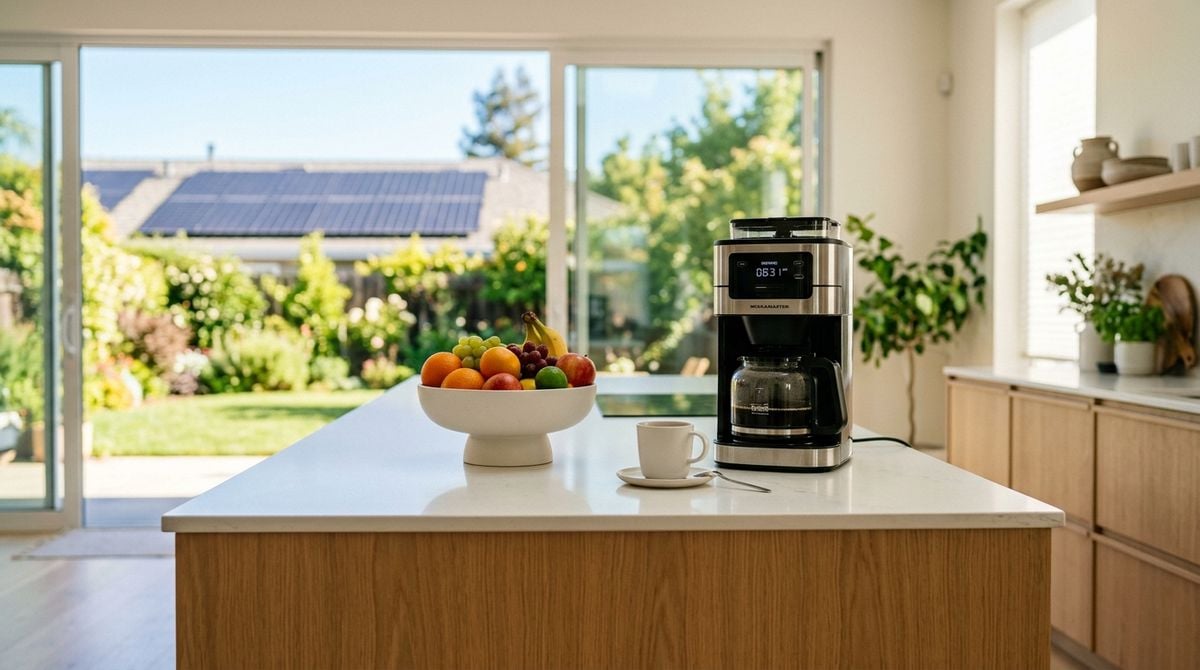
For passionate home cooks, the kitchen is often a space of creative indulgence where rich sauces, elaborate techniques, and celebratory feasts take center stage. Yet maintaining that same culinary enthusiasm on an ordinary Tuesday evening can feel challenging when the demands of work and family life take over. Balancing a genuine love for gourmet flavors with the desire to feel light, clear-headed, and energized requires an intentional shift in how we approach our daily kitchen habits.
Creating a health-conscious cooking routine does not mean abandoning flavor or adopting restrictive regimes. Instead, it invites cooks to treat wholesome preparation as an art form that highlights natural ingredients, smart kitchen workflows, and thoughtful balance. When you approach everyday meals with the same curiosity you bring to weekend dinner parties, nourishing food becomes an effortless pleasure rather than an obligation.
Rethinking the Foundation of Your Home Pantry
A supportive cooking environment starts long before you turn on the stove. Your pantry and refrigerator dictate what ends up on your plate during frantic evenings. When shelves are stocked with versatile, unrefined staples, putting together a satisfying dinner takes mere minutes. Replacing heavily processed shortcuts with aromatic ingredients allows you to build complex taste profiles naturally.
Focus on maintaining a dependable rotation of whole grains such as farro, quinoa, and brown rice, alongside protein-packed legumes like French lentils and chickpeas. Quality cooking fats also play a fundamental role in both taste and physical vitality. When curating pantry staples that sustain energy, turning to credible lifestyle resources like wellnessadvice.info can offer fresh perspectives on balancing clean ingredients with daily vitality. Keeping cold-pressed olive oils, unrefined seeds, and fragrant whole spices within arm’s reach ensures you can create depth without resorting to artificial flavor enhancers.
Organizing your storage spaces by cooking frequency also eliminates decision fatigue. Store dried grains and beans in clear glass jars so you can easily see what you have on hand. Keep fresh garlic, shallots, ginger, and fresh citrus prominently displayed on your counter. When these vibrant aromatics are visible, you are far more likely to build your weeknight meals around them.
Mastering Flavor Techniques Without Heavy Additions
Traditional restaurant cooking often relies on excessive amounts of heavy cream and butter to achieve richness. While those techniques have their place in fine dining, daily home meals require a lighter touch that still satisfies discerning palates. The secret lies in mastering alternative methods for developing savoriness and mouthfeel.
Roasting is one of the most effective ways to concentrate flavors in vegetables. High-heat roasting caramelizes natural sugars in root vegetables, brassicas, and nightshades, turning simple cauliflower or carrots into deeply savory side dishes. Pairing roasted components with a splash of acidity, such as sherry vinegar, apple cider vinegar, or fresh lemon juice, instantly brightens the palate and cuts through any heaviness.
Another essential culinary strategy is harnessing natural umami. Incorporating ingredients like dried shiitake mushrooms, fermented bean pastes, toasted seaweed, or aged hard cheeses in modest amounts can impart deep complexity to soups and broths. These elements create a lingering richness that satisfies appetite while keeping meals refreshing and wholesome.
Planning Around Fresh and Seasonal Produce
A vibrant kitchen routine is intrinsically tied to the rhythm of the seasons. Produce picked at peak maturity offers superior flavor, superior texture, and maximum nutrient density compared to items shipped across long distances out of season. When you align your weekly shopping with what is naturally thriving, you need minimal seasoning to make ingredients shine.
Just as commercial kitchens attract loyal guests by refreshing their boards through seasonal menu planning strategies, home cooks can revitalize dinner routines by letting local produce dictate weekly meal themes. Visiting a neighborhood farmers market or subscribing to a farm delivery box sparks creativity and prevents culinary monotony. A dense autumn squash invites warming spices, while crisp summer greens call for light herb-infused vinaigrettes.
Prepping produce immediately after shopping further guarantees success. Wash, dry, and store hardy greens with a dry cloth to extend their freshness. Chop sturdy vegetables like carrots, bell peppers, and sweet potatoes so they are ready to drop into a skillet or roasting pan. Lowering the barrier to entry on busy evenings makes choosing fresh produce the easiest option.
Connecting Kitchen Habits to Community Well-Being
Food is fundamentally relational. While cooking serves individual dietary goals, the act of preparing and sharing meals has profound effects on the broader household and neighborhood environment. Establishing a home cooking cadence allows you to invite friends and loved ones into a shared experience of mindful hospitality.
Creating shared culinary traditions reflects the principles championed by Doctorsstudio.org, where personal wellness and supportive community environments work hand in hand to foster long-term vitality. Sitting down together over a home-cooked meal encourages slower eating, open conversation, and genuine decompression from daily stress. The psychological comfort derived from shared dining enhances digestive ease and overall satisfaction.
Consider organizing casual meal swaps with neighbors or hosting simple potluck dinners centered around wholesome seasonal themes. Sharing batch-cooked soups or homemade broths strengthens social ties while lightening the cooking load for everyone involved. Good food tastes better and feels more restorative when enjoyed in good company.


Building Balanced Bowls for Stress-Free Dinners
When evening schedules leave little room for complicated recipes, component cooking offers a liberating framework. Rather than cooking a single intricate entree, you prepare individual base elements in advance and assemble them into colorful, balanced bowls. This approach accommodates varying personal preferences and dietary needs without requiring multiple separate meals.
A reliable dinner bowl brings together contrasting textures and complementary flavor profiles. Use this simple template to assemble balanced meals in minutes:
- A warm base of whole grains, such as nutty farro or steamed wild rice
- A generous portion of roasted, steamed, or raw seasonal vegetables
- A source of clean protein, including baked tofu, roasted legumes, or grilled fish
- A vibrant dressing made from cold-pressed oil, citrus, fresh herbs, or tahini
- A crunchy topping of toasted pumpkin seeds, sesame seeds, or chopped walnuts
Having these components prepared and chilled in glass containers transforms weeknight assembly into a swift, creative process. You can alter the flavor identity entirely through your choice of dressing and garnishes, turning Mediterranean-inspired roasted vegetables into an herb-forward grain salad the next evening.
Cultivating a Mindful and Sustainable Kitchen Mindset
The long-term success of any culinary routine rests on flexibility and forgiveness. Rigidity often leads to burnout, especially when schedules shift unexpectedly. Aim for consistency rather than perfection, viewing every meal as an opportunity to practice appreciation for genuine nourishment.
Take time to appreciate the sensory aspects of food preparation: the fragrance of fresh herbs crushed between your fingers, the rhythmic sound of a knife on the cutting board, and the colors displayed on your plate. Transforming dinner into a calming ritual anchors your day and honors your body with honest, delicious ingredients.